
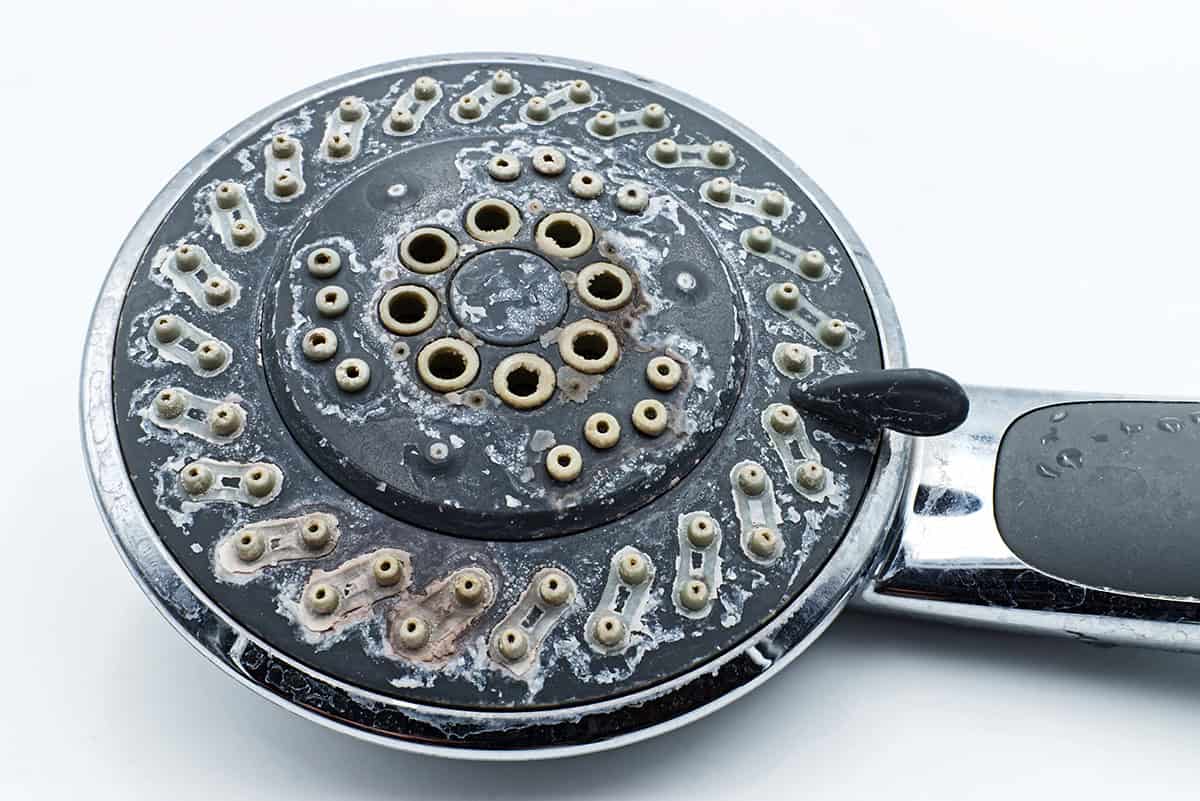
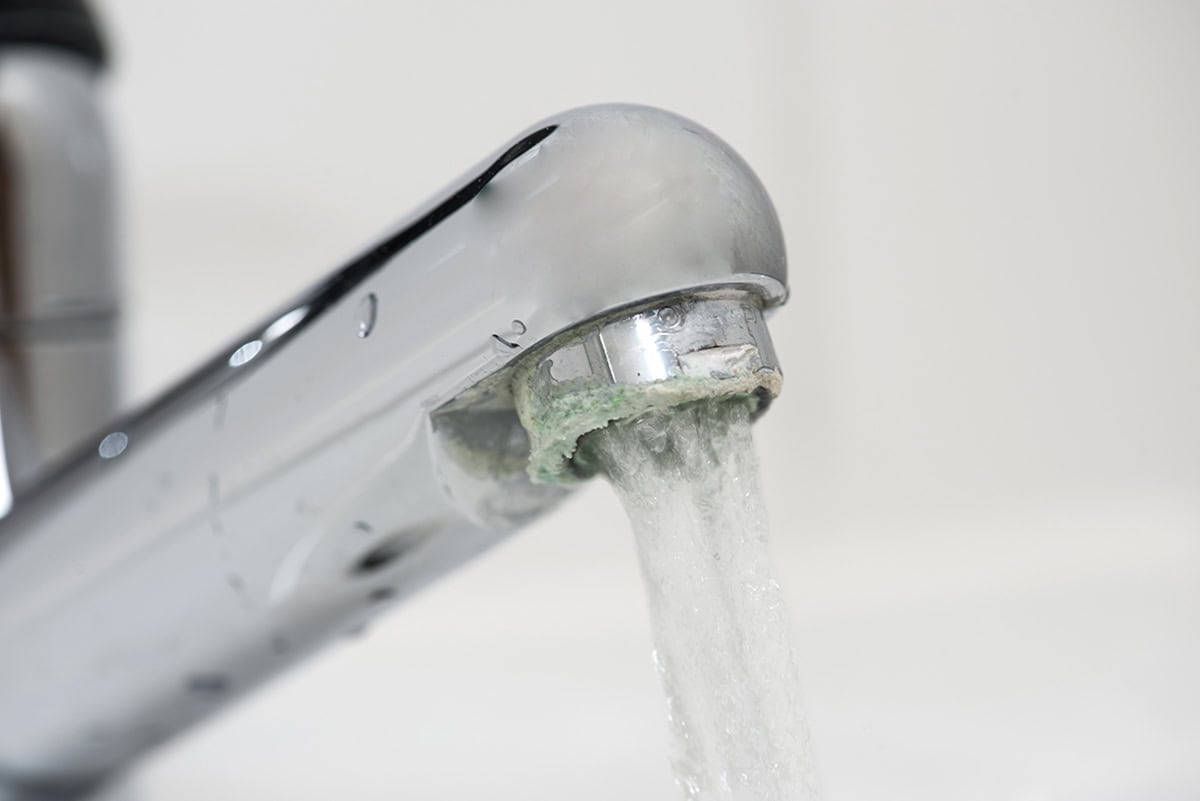
Kitchen or bathroom faucets always covered with scale? Maybe your skin feels dry after a shower? Appliances breaking down too soon? It could be hard water. A water softener solves a lot of these problems by removing minerals from your home’s water supply.
Millcreek Plumbing provides expert level water softener repairs and installation across Salt Lake City, and our skilled technicians will help you enjoy all the benefits of soft water in your home.
What Problems Can a Water Softener Solve?
Impact on Your Home
Hard water can take a toll on your property. High mineral content can create scale buildup in pipes, reduce water flow and put more pressure on your plumbing system.
And once the scale narrows a section of pipe or causes a leak, it’s no longer something a water softener can fix. At that point you’ll need pipe repair and replacement.
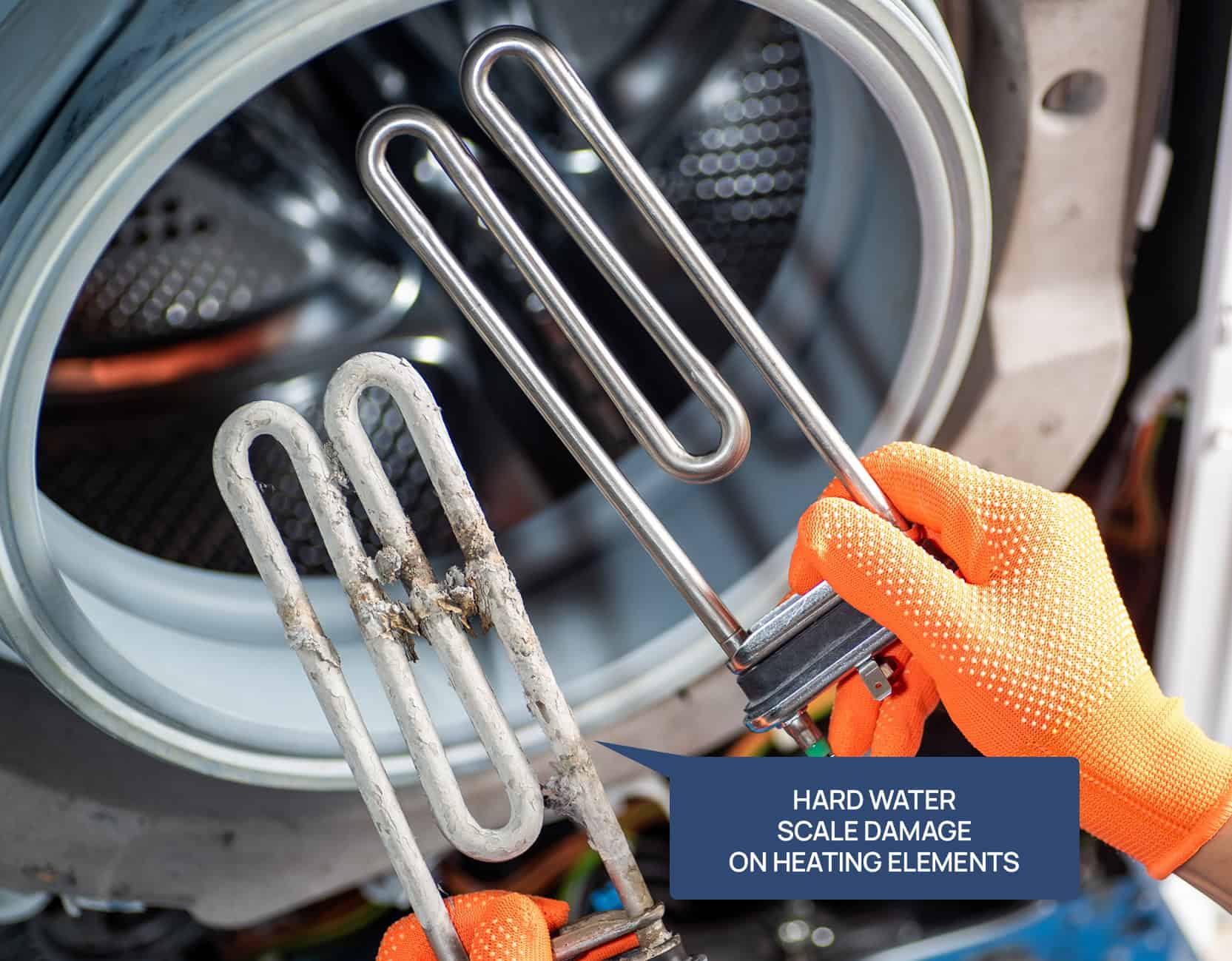
Appliances that take hard water end up using more energy and can wear out faster. That includes your dishwasher and water heater. All that accumulation of hard water scale on the heating element forces the appliance to use more energy.
If you think your water heater is struggling to keep up because it has too much hard water buildup, our water heater repair team can check if scale is the issue.
Hard Water and Your Health
Hard water doesn’t rinse away soap cleanly, and we found research in the Journal of Investigative Dermatology that the leftover resideue can irritate skin, especially if you deal with eczema. Soft water is safe to drink, and in fact a large UK Biobank study found there’s no overall link to kidney stones. So if you’re watching your sodium intake, a softener can run on potassium chloride instead of salt.

How Hard Is Salt Lake City’s Water Supply?
Salt Lake City has hard water, but it gets even harder during the summer. The 2025 Water Quality Report from Salt Lake City Public Utilities shows the hardness from each water source that the city draws from:
| Water Source | Hardness (ppm) | Grains per Gallon |
|---|---|---|
| Big Cottonwood treatment plant | 121 | 7.1 |
| Parleys treatment plant | 174 | 10.2 |
| City Creek treatment plant | 198 | 11.6 |
| City groundwater wells | 157 to 487 | 9.2 to 28.6 |
The treated water that the city buys from different regional districts rates at about 144 to 189 parts per million. The US Geological Survey says 121 to 180 ppm is hard, and anything above that is very hard.
Why Does Your Water Get Harder During The Summer?
When our mountain runoff lowers in the summer, that’s when Salt Lake City blends the groundwater from wells into the system so they can keep up with demand. Those wells have hard water. So a home that gets mostly treated water in the spring can notice harder water by July.
Does This Report Cover Your Home?
Salt Lake City Public Utilities serves Salt Lake City, and parts of Holladay, Cottonwood Heights and Millcreek. If you’re in Sandy, West Jordan, Murray or other cities in the valley, you get your water from different suppliers, who each have their own annual report. We’ll tell you that a water softener works best when it’s sized to the hardness of your water, not a citywide average.
Hard Water Checklist for Salt Lake Homeowners
- Have you tested your water hardness level?
- Do you notice white scale buildup on faucets, showerheads, or appliances?
- Are your clothes feeling stiff or appearing dingy after washing, even with fabric softener?
- Do you find mineral deposits on glassware and dishes after washing?
- Have you noticed reduced water pressure in any fixtures that might indicate pipe scaling?
- Does your home use well water, or water from the city supply? (Well water in Salt Lake City typically has higher mineral content, especially during summer)
- Have you compared different water treatment options like water softeners, conditioning systems, or filtration methods for your specific situation?
If you answered yes to several of these questions, a water softener could be the solution.
What is a Water Softener System?
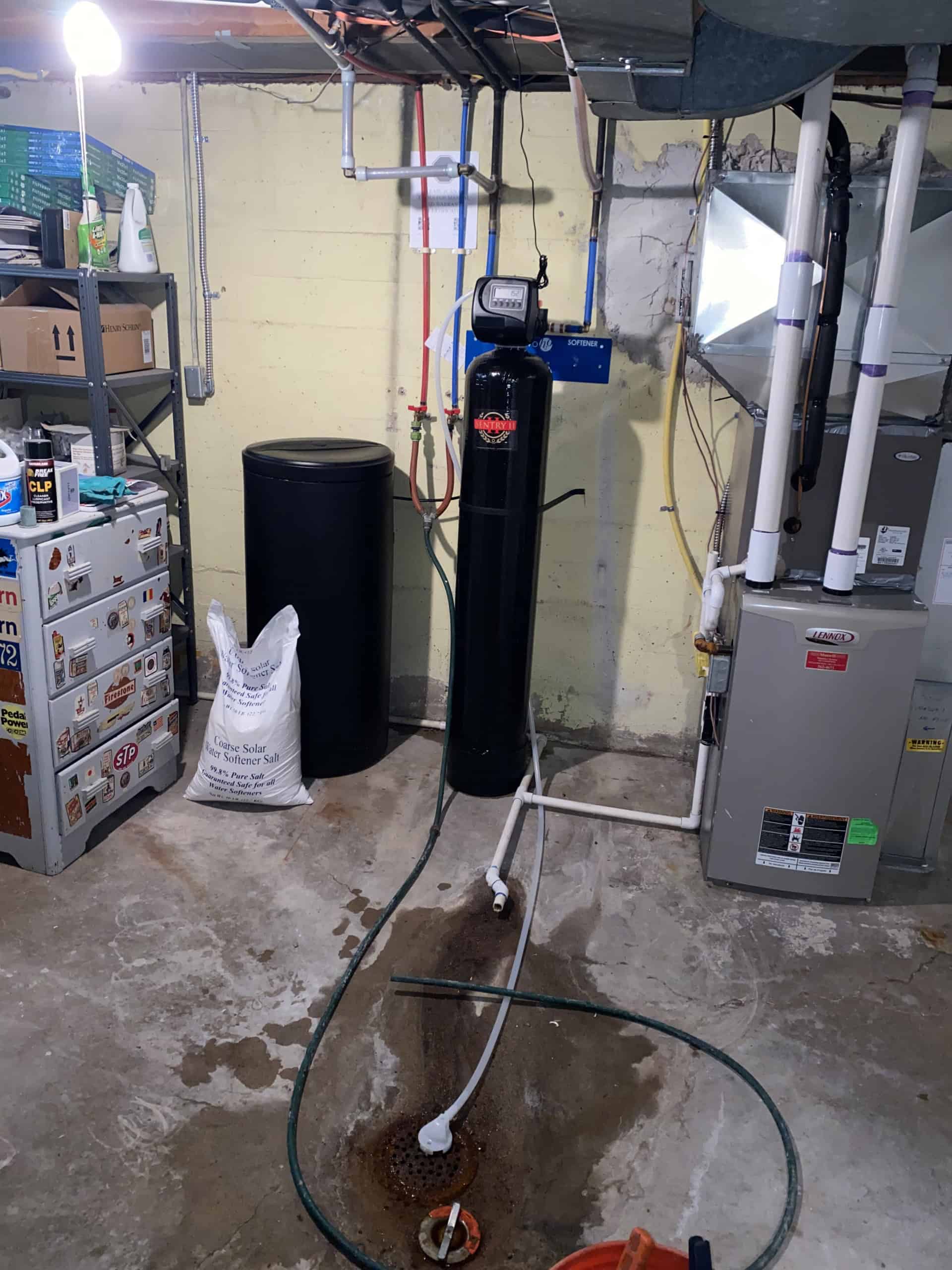
A soft water system for the home removes minerals like magnesium and calcium from the water. These systems work through a process called ion exchange, where hard minerals are replaced with sodium or potassium ions.
Modern water softener systems are compact, efficient, and designed to work quietly in the background of your home. It includes a mineral tank where the hard minerals are removed, a brine tank which holds the salt solution, and a control value. These components work together to provide soft water when needed.
The best systems are properly sized for your household’s water usage and calibrated to your specific water hardness level.
How Does a Water Softener Work?
Water softeners operate through a simple but effective process:
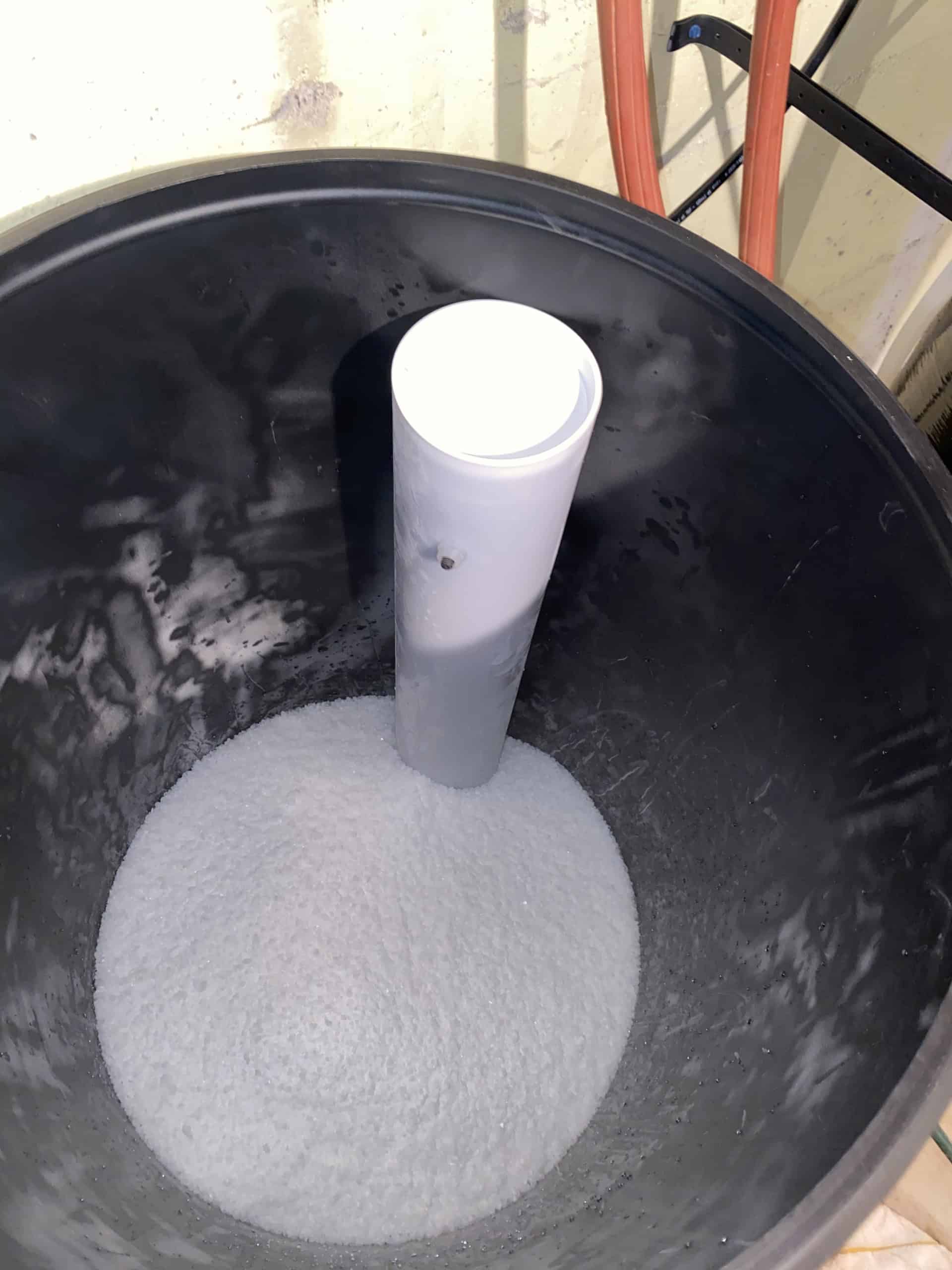
This cycle repeats automatically, providing your home with continuous soft water.
- Hard water enters the mineral tank filled with resin beads charged with sodium ions.
- As water flows through, calcium and magnesium ions are attracted to the resin beads. They swap places with the sodium ions in a process called ion exchange.
- The water leaving the tank is now “soft” – free of harsh minerals that cause problems.
- When the resin beads become saturated with hard minerals, the system regenerates. Salt water from the brine tank flushes through, removing captured minerals and recharging the resin beads with sodium ions.
- The system automatically rinses away the mineral-laden saltwater down the drain and returns to softening mode.
When to Replace a Water Softener
We find that most water softeners will last 10-15 years with regular maintenance. Here are some of the signs that it’s time for replacement:
- Your water feels hard again despite system maintenance
- Appliances showing signs of scale buildup
- System requires frequent repairs
- Water has a salty taste
- Resin beads appear in your water
- System makes unusual noises during regeneration
If your system is more than 10 years old and showing these symptoms, replacement is often more cost-effective than continued repairs.

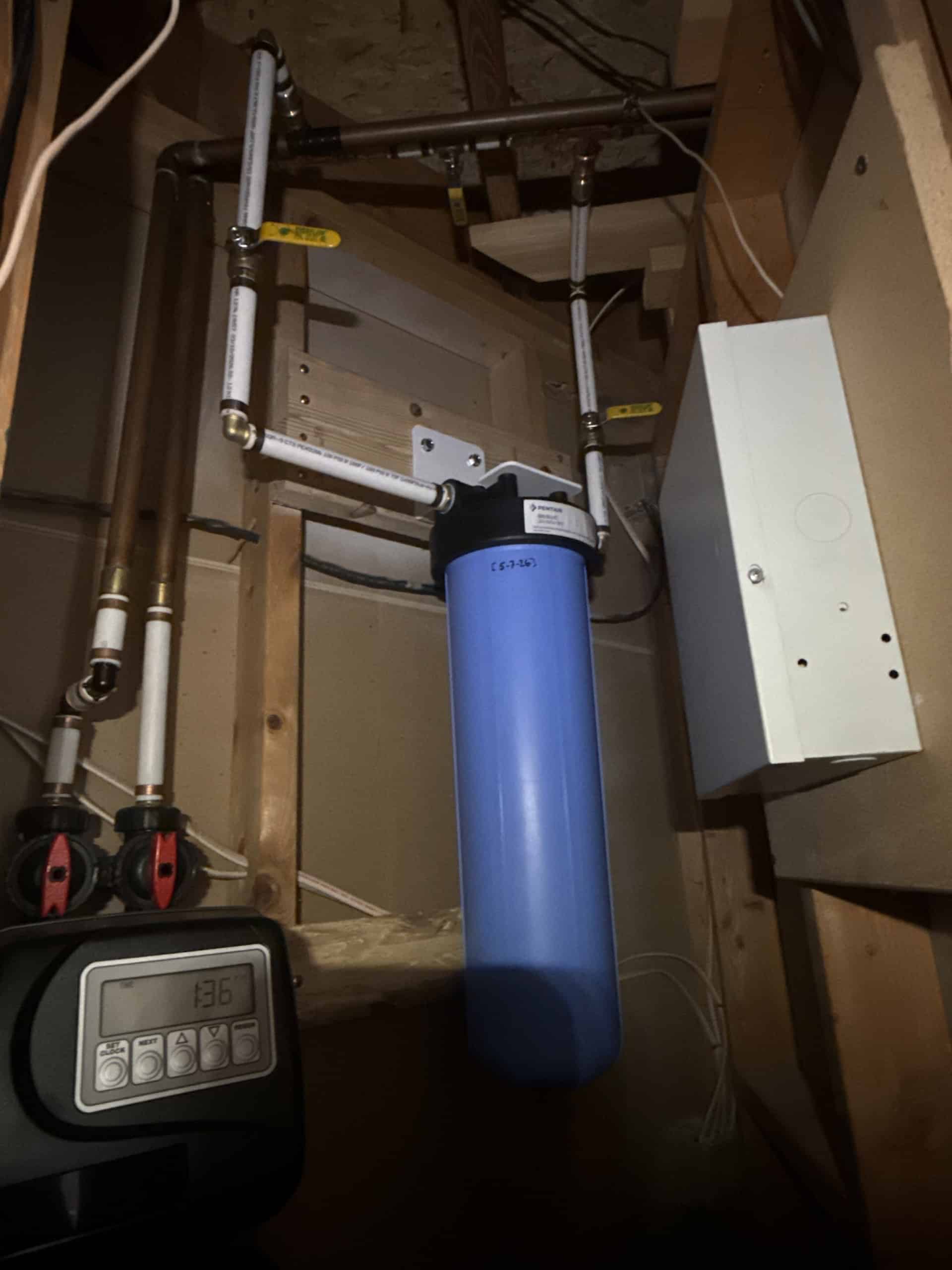
Recent Project: Clearing Rust From a Whole Home Water Filter
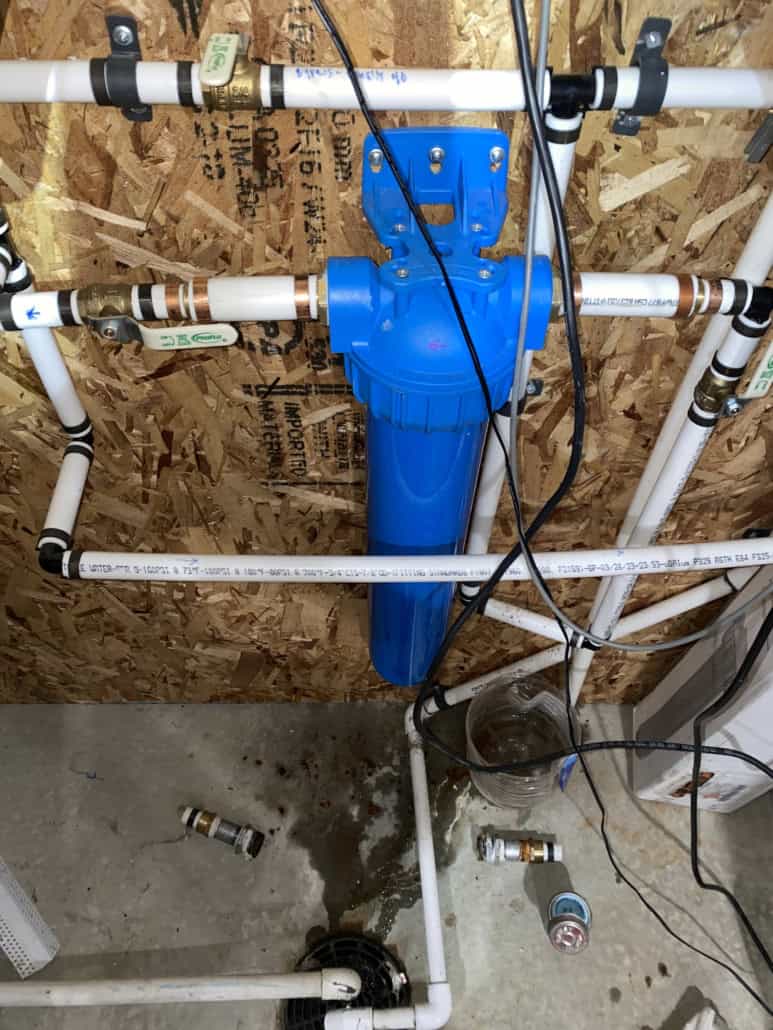
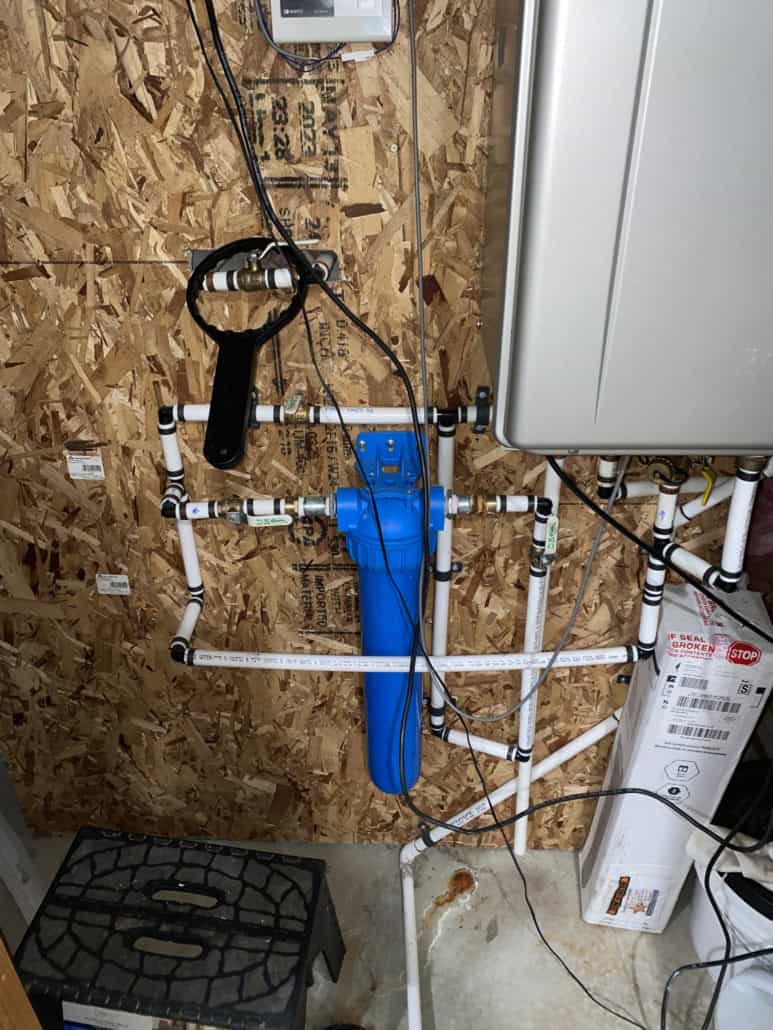
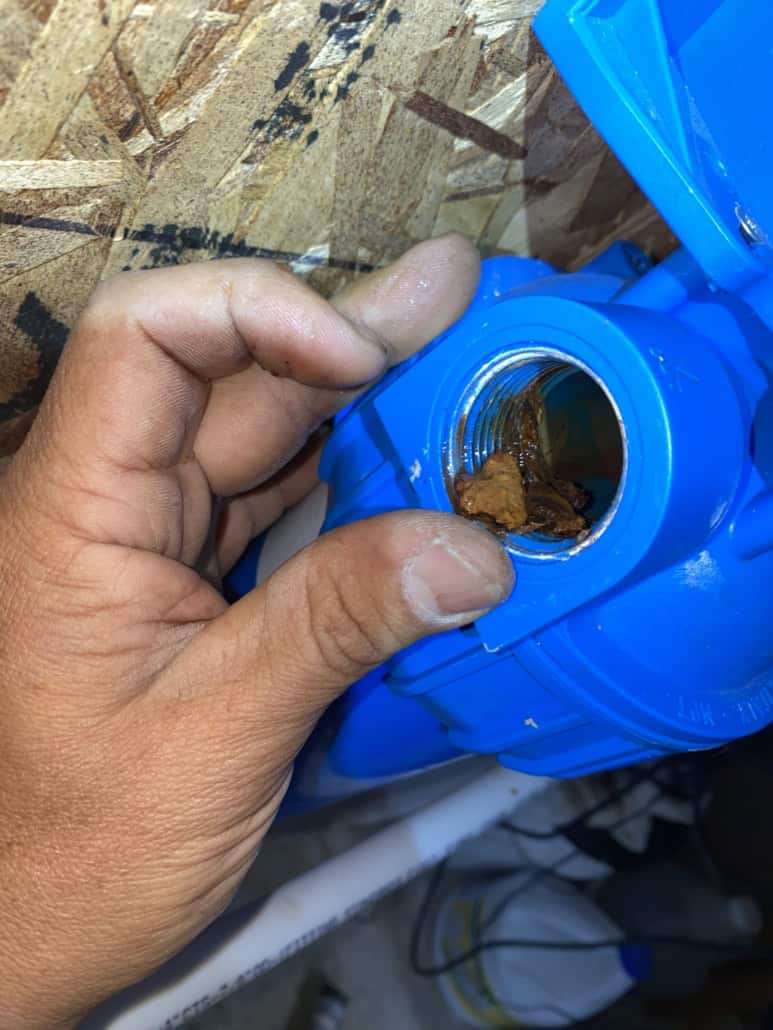
Rust was making its way into the home’s water line from the fittings on both sides of a whole-house filter. We took them apart, and found the filter housing’s inlet had corrosion. So we reconnected the filter with new fittings, and clean water now reaches the tankless water heater and the rest of the house.
Water Softener Repair Services
At Millcreek Plumbing, we diagnose and fix water softener issues quickly to restore your system’s performance. Our expert technicians handle everything from simple maintenance to complex repairs on all water softener brands and models.
Common problems we solve include:
- Hard water returning despite having a softener system
- Salt bridges or mushing in the brine tank
- Control valve malfunctions and timer issues
- Leaks around connections or the main unit
- Unusual noises during regeneration cycles
Don’t wait until small issues become expensive replacements. We offer upfront pricing, quality replacement parts, and complete testing after repairs to ensure your water softener works properly for years to come.
Is a Water Softener Right For You?
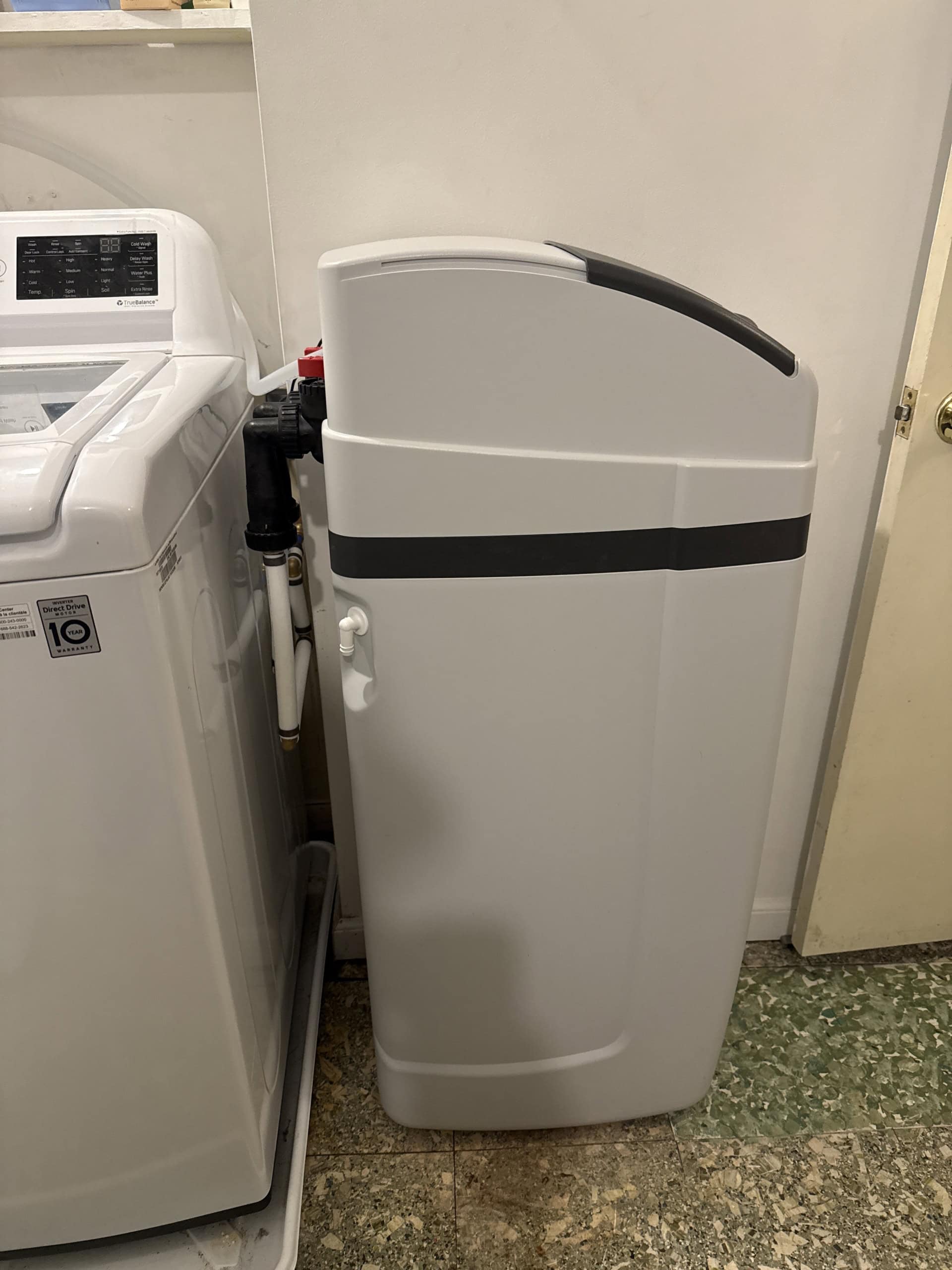
If you live in Salt Lake City, the answer is likely yes. With our region’s very hard water, most homes benefit from water softener installation. However, factors to consider include:
- Your water hardness level (we can test this for you)
- The age and condition of your plumbing system
- Your household water usage
- Any medical considerations regarding sodium intake
Our technicians can help you evaluate these factors and recommend the right solution for your specific needs.

Ready to solve your hard water problems? Contact Millcreek Plumbing today for a free water hardness test and consultation.
Our expert technicians will help you select the right water softener system for your home and provide professional installation, and we can provide maintenance and repair services to make sure your system runs efficiently for years to come.
Request an Estimate
Need an estimate on a plumbing challenge? Please complete the form below and we’ll get right back to you (usually same day M-F 8am-5pm). Need a faster response? Give us a call at 801-277-3342
"*" indicates required fields
Frequently Asked Questions
What makes water hard or soft?
A: Water hardness is determined by the concentration of dissolved minerals, primarily calcium and magnesium. These minerals enter the water supply as it travels through rock and soil.
Hard water contains high levels of these minerals (typically above 7 grains per gallon), while soft water has minimal mineral content. Salt Lake City’s water is considered very hard due to our local geology.
How hard should water be?
A: Ideally, household water should measure below 3 grains per gallon (or 51 ppm) to be considered “soft.” Most homes in Salt Lake City have water that measures between 7-28 grains per gallon, well above the threshold for “hard” water.
While some mineral content can be beneficial, levels this high cause problems for plumbing, appliances, and personal care.
Which is healthiest and safest to consume?
A: Hard water contains minerals that can actually provide health benefits when consumed, so it is safe to drink.
However, softened water is better for your home’s systems and for cleaning purposes. Some people with certain health conditions may need to monitor sodium intake from softened water.
For those concerned about sodium, there are potassium-based systems available. Many homeowners choose to keep one unsoftened tap for drinking and cooking while softening water for the rest of the home.
Areas We Serve
See all areas we serve. Don’t see your town? Call us at (801) 277-3342 to confirm availability.