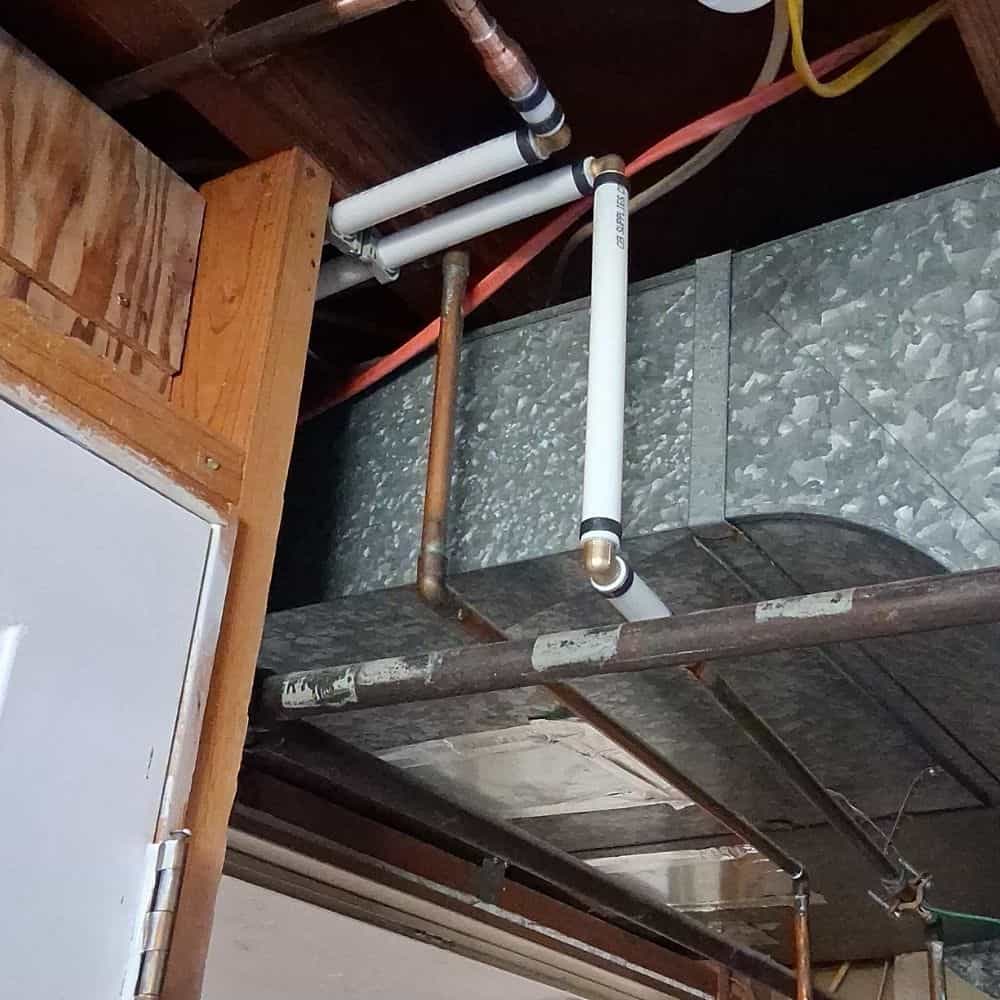
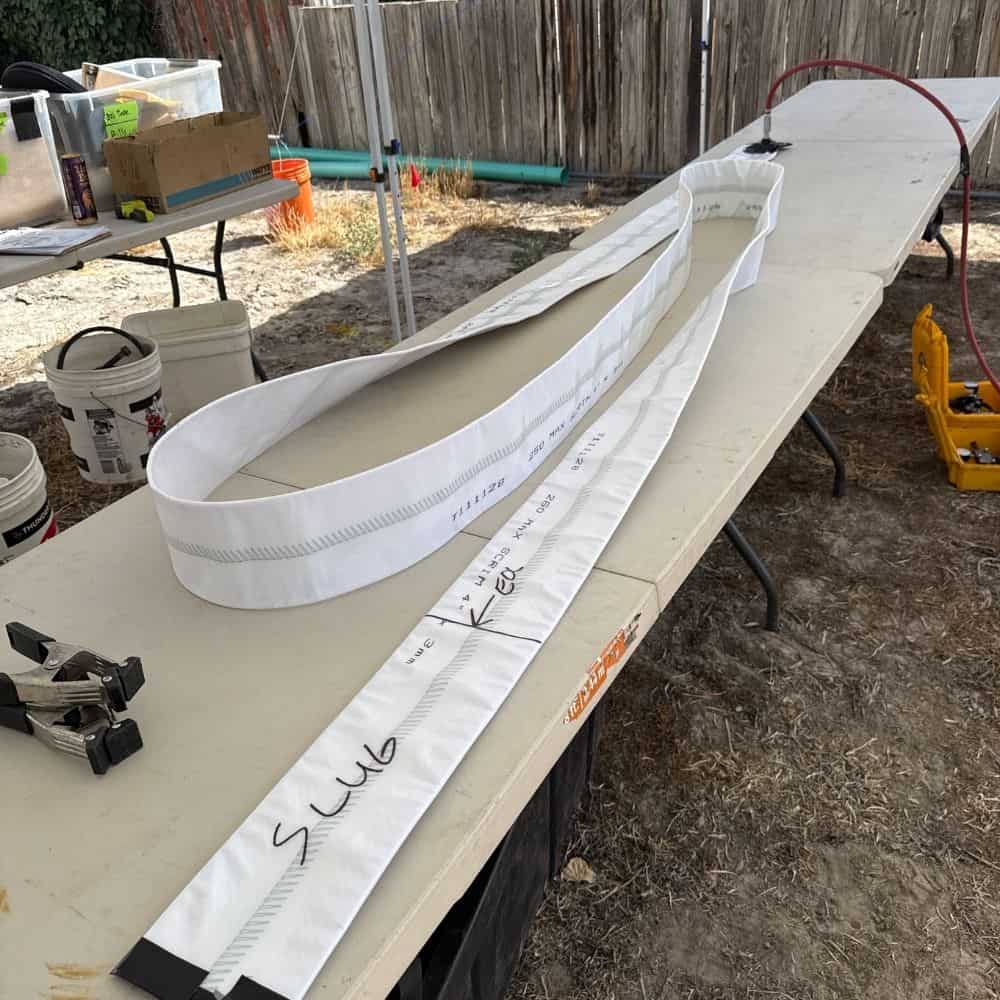
According to a Deseret News article, the plumbing in the Sugar House neighborhood was installed in 1914, a few years after the area became a part of Salt Lake City. There are still plenty of homes that still have their original, galvanized water lines or clay sewer pipes. Galvanized pipes rust from the inside, which tends to show up as low water pressure or discolored water when a faucet first runs. Plus the mature trees here have literally had a century to find the joints in clay sewer lines.
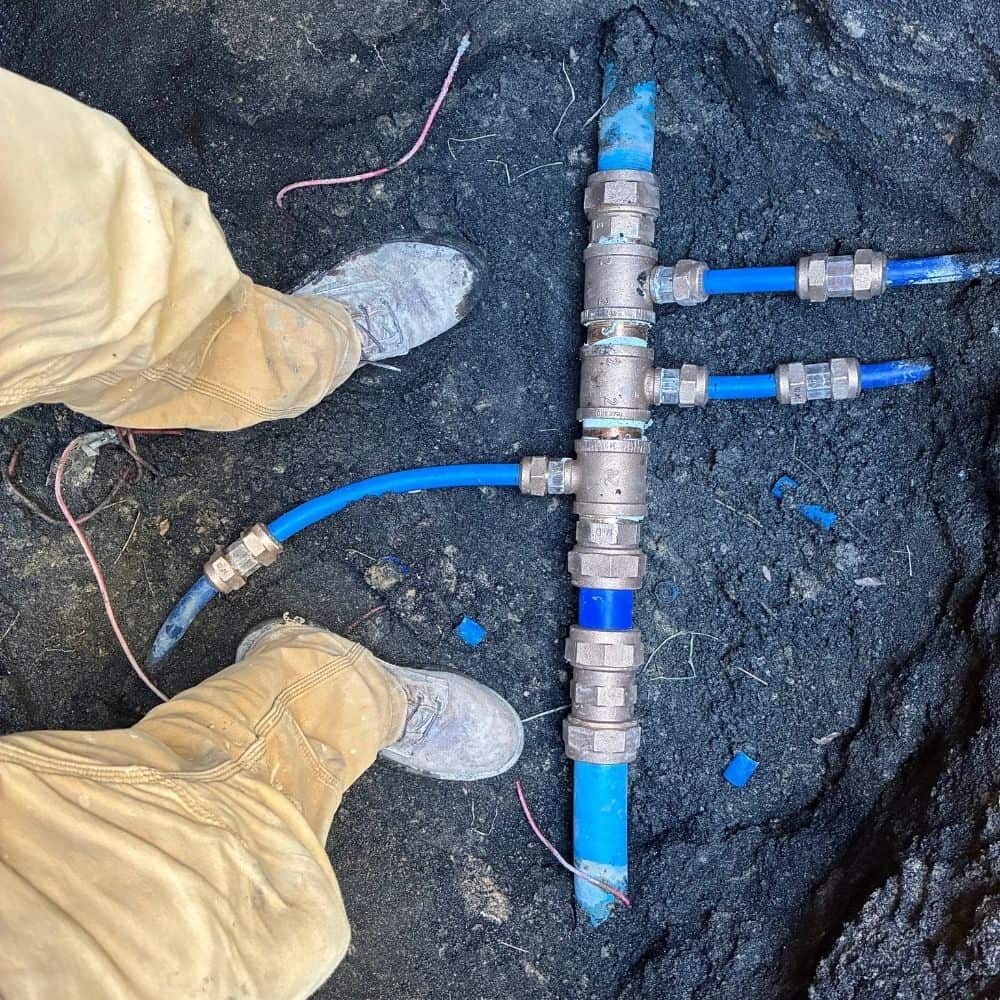
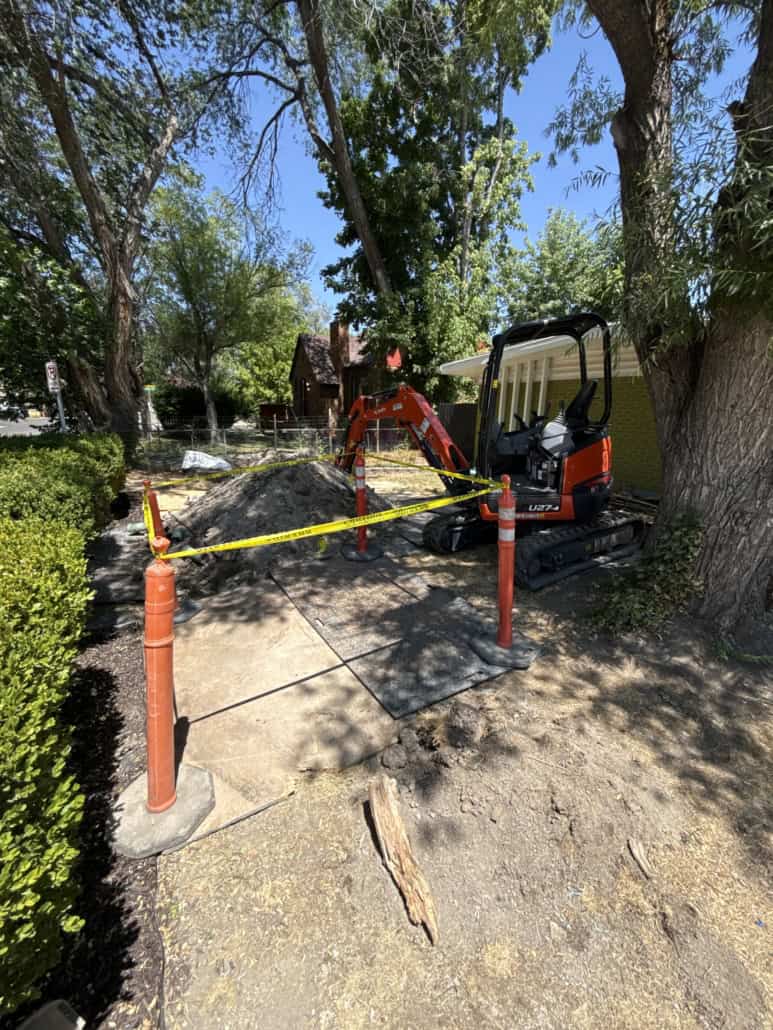
Some of the older homes can also have a lead service line, which is the pipe that carries water from the city into your house. SLC recently inventoried their service lines, and you can look up your address on this service line material map. The city received more than $39 million in federal loan funding to help residents replace lead lines, so if yours shows up as lead or unknown, we can do the main water line replacement from the meter to the house.
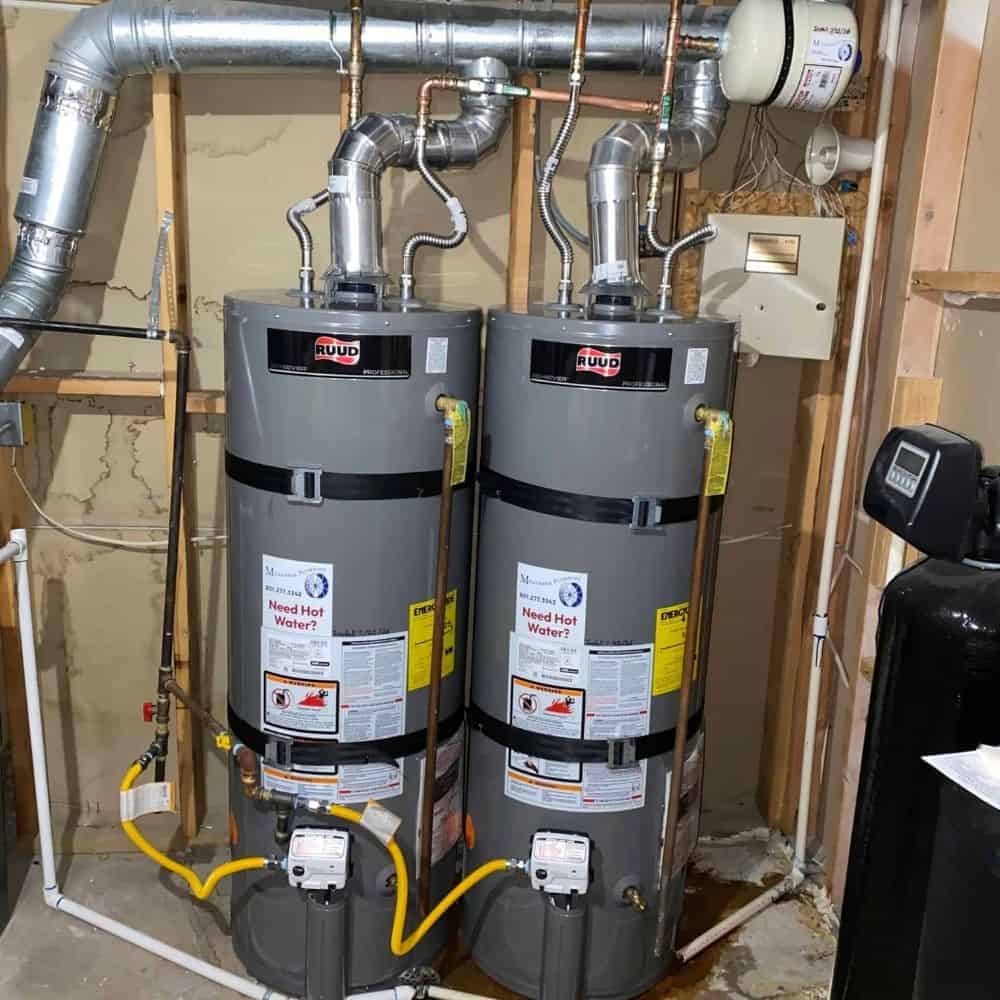
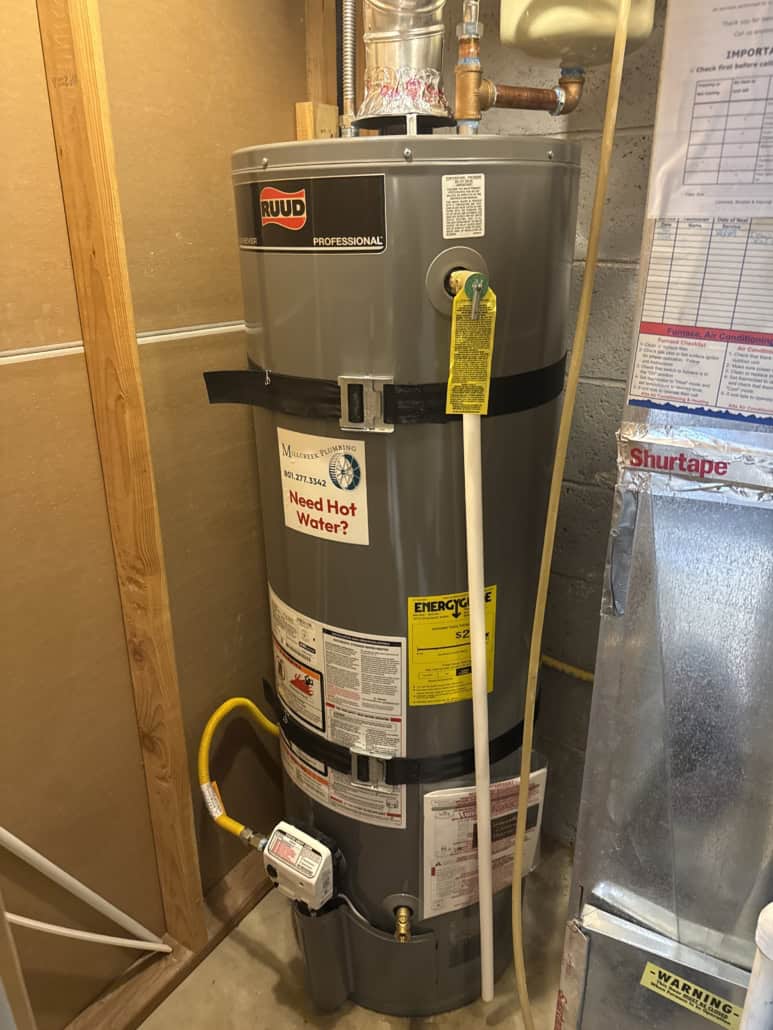
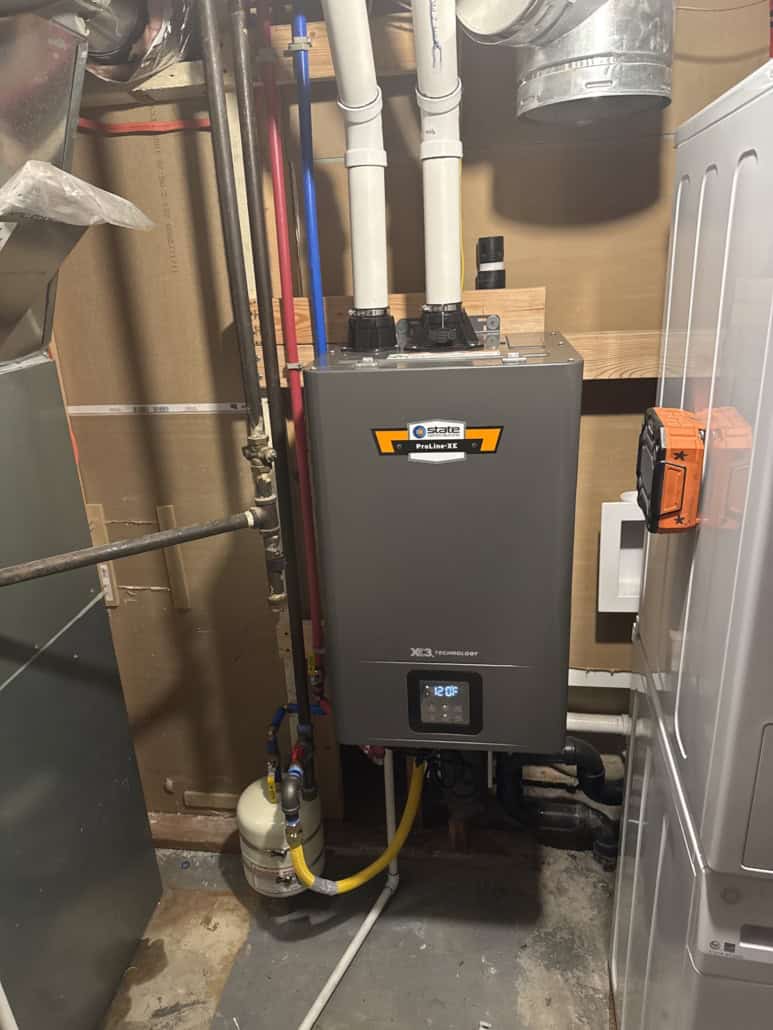
Culinary water in Sugar House comes from Salt Lake City Public Utilities, which draws from City Creek, Parleys Creek, Big Cottonwood Creek and Little Cottonwood Creek. Water hardness depends on where it comes from, and the current season. This 2026 water quality report lists about 8 grains per gallon from the Big Cottonwood plant, 10.2 from Parleys and 12.4 from City Creek, and well water that gets blended in during the summer months tested anywhere from 9.6 to 33.4. That difference is exactly why we check for scale when we service a water heater in Sugar House, and why a water softener set for spring water can fall behind by come August.
Plumbing permits in Sugar House actually go through Salt Lake City Building Services at City Hall, 451 South State Street (801 535 7968), and applications submitted online through the city’s Citizen Access Portal. When your plumbing repair or installation needs a permit, we’ll take care of it with the city for you.