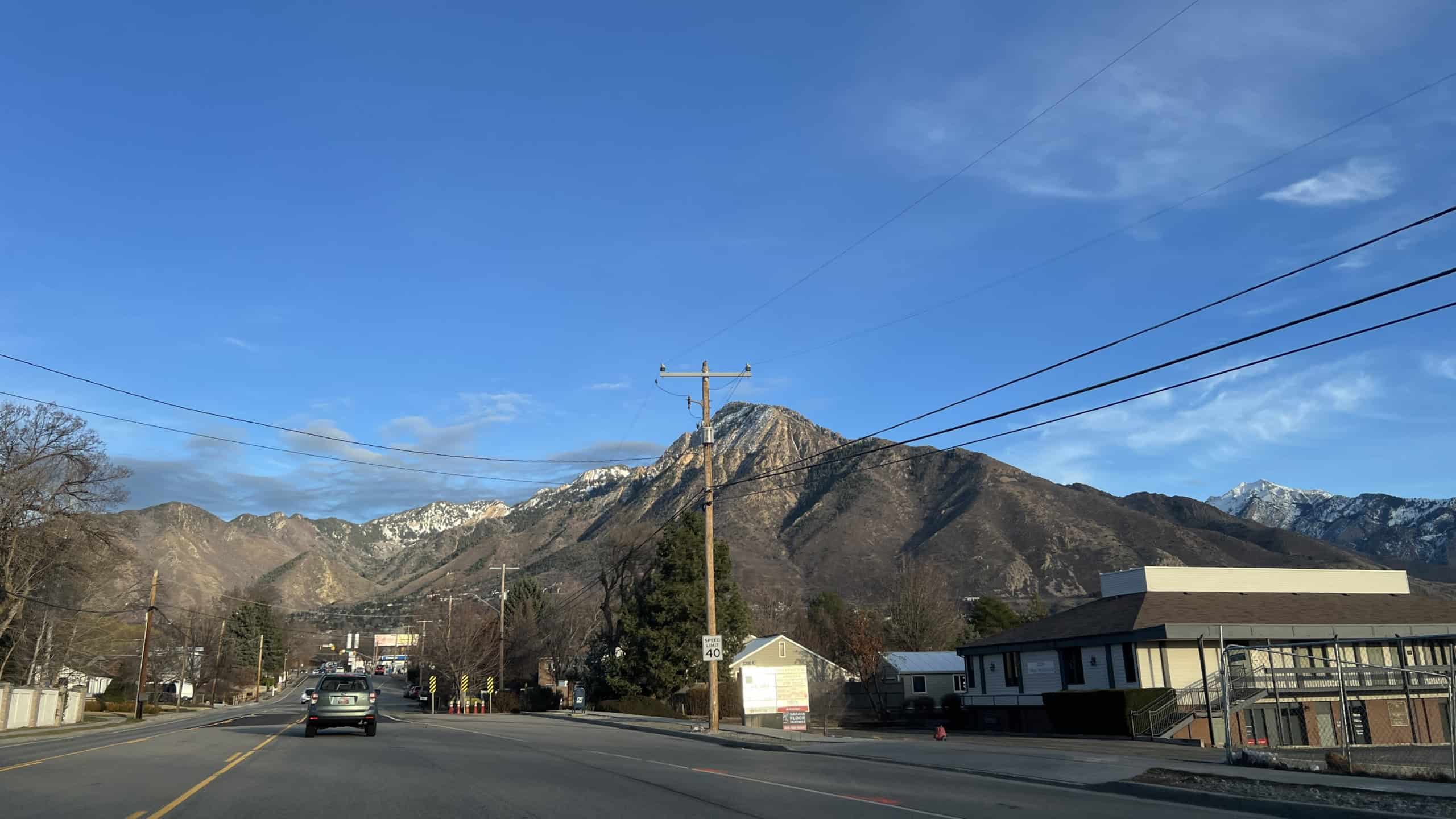
Holladay is actually one of the older parts of the Salt Lake Valley. According to census data the median home here was built in 1969, and roughly half of the houses were built between the 1940s and the 1960s. Also interesting that nearly 4 out of 5 households own their home according to a study by Niche, so those pipes that run from the street to the house are the owner’s to maintain.
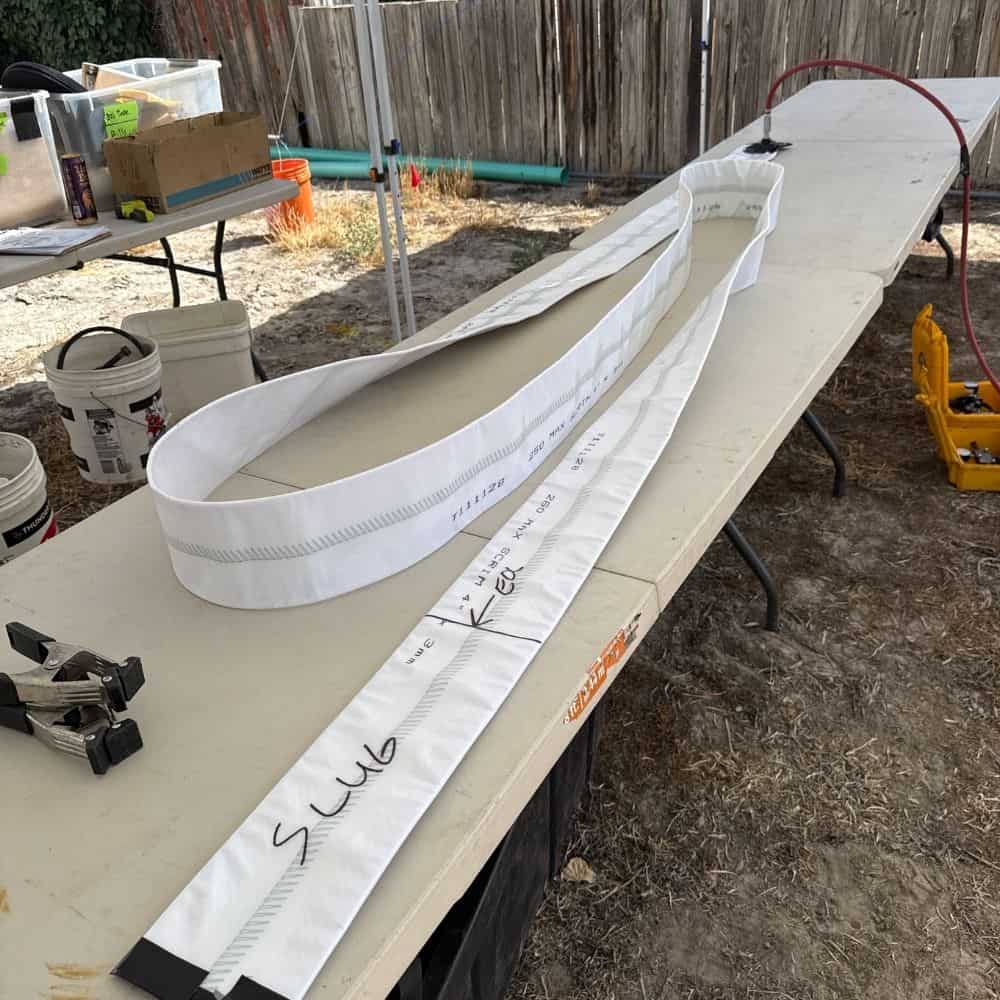
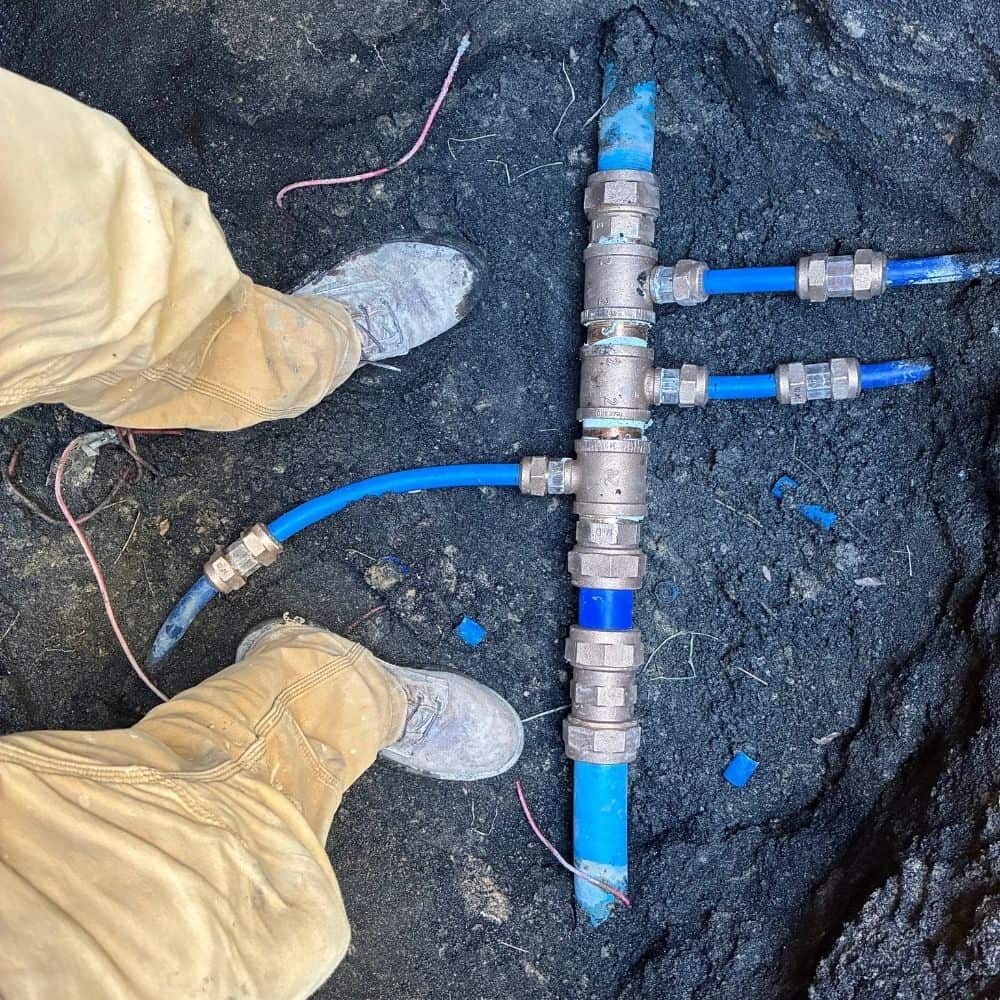
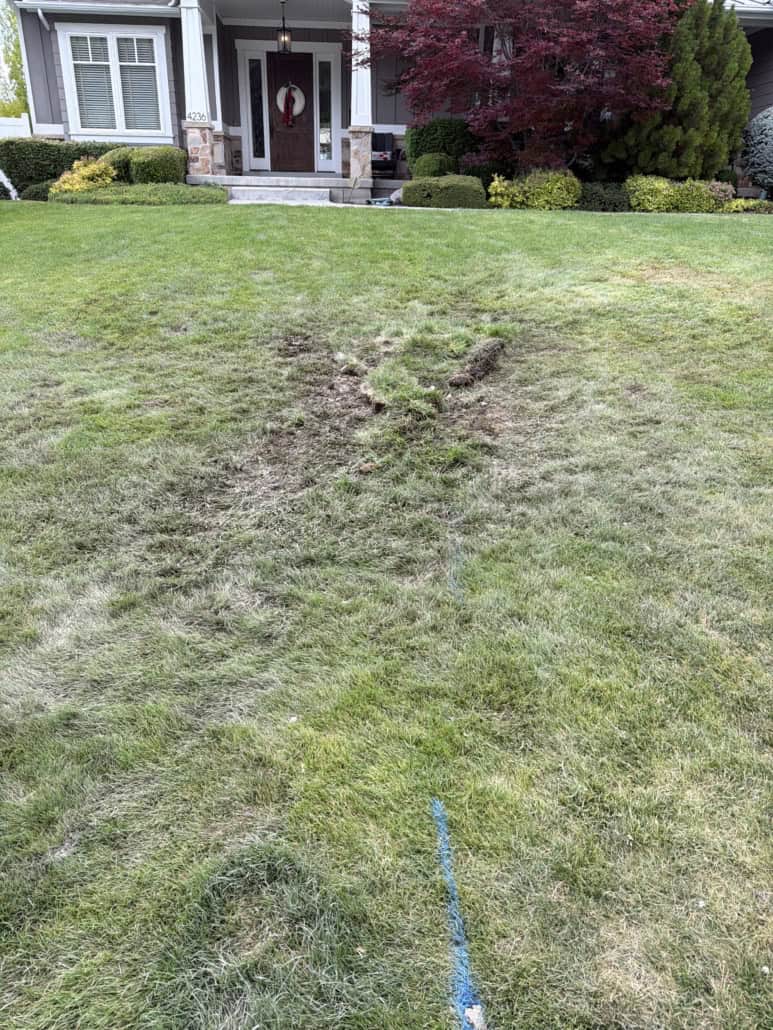
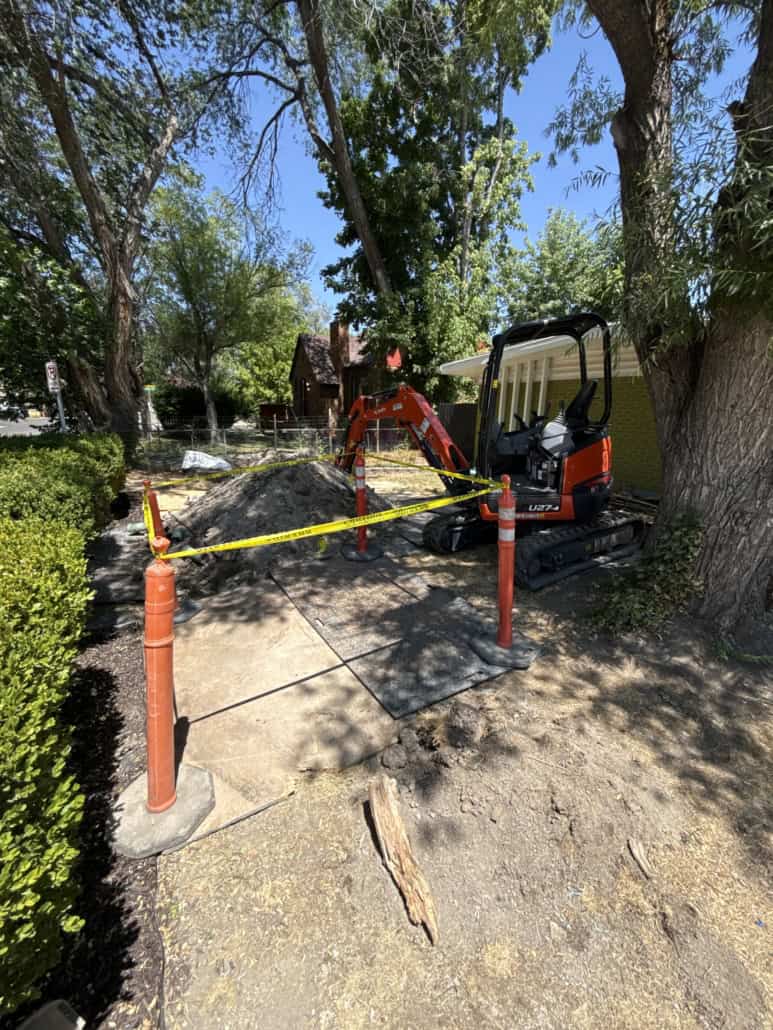
Over our years of plumbing repairs in Holladay we find that plumbing from that era tends to wear out in common spots. The galvanized steel water lines can corrode from the inside, and start to lose pressure fast. Clay and cast iron sewer pipe laterals often let roots in at the joint. And when the sewer line goes, trenchless lining can fix it from the inside without having to dig up your landscaping.
The City of Holladay doesn’t have its own water or sewer systems, so the utilities depend on where you live. The city lists three drinking water providers: Salt Lake City Public Utilities, Jordan Valley Water Conservancy District and Holliday Water Company. Sewer service comes from either the Mt. Olympus Improvement District or the Cottonwood Improvement District. Your utility bill will list which company services you, and if you’re still not sure we can help you figure it out when you call us.
Holliday Water Company (note the spelling difference) is a bit different from a typical city water department. This is a shareholder company located on 4500 S, and each home in its system holds a share of company stock that covers 60 thousand gallons of water a year before water charges start. It’s also been asking customers to report to them what type of pipe runs from the meter into the house, generally either copper, plastic, lead or galvanized. This is for its EPA lead and copper records. If you’re not sure which kind of pipe you have, we can look at it from your main shutoff valve.
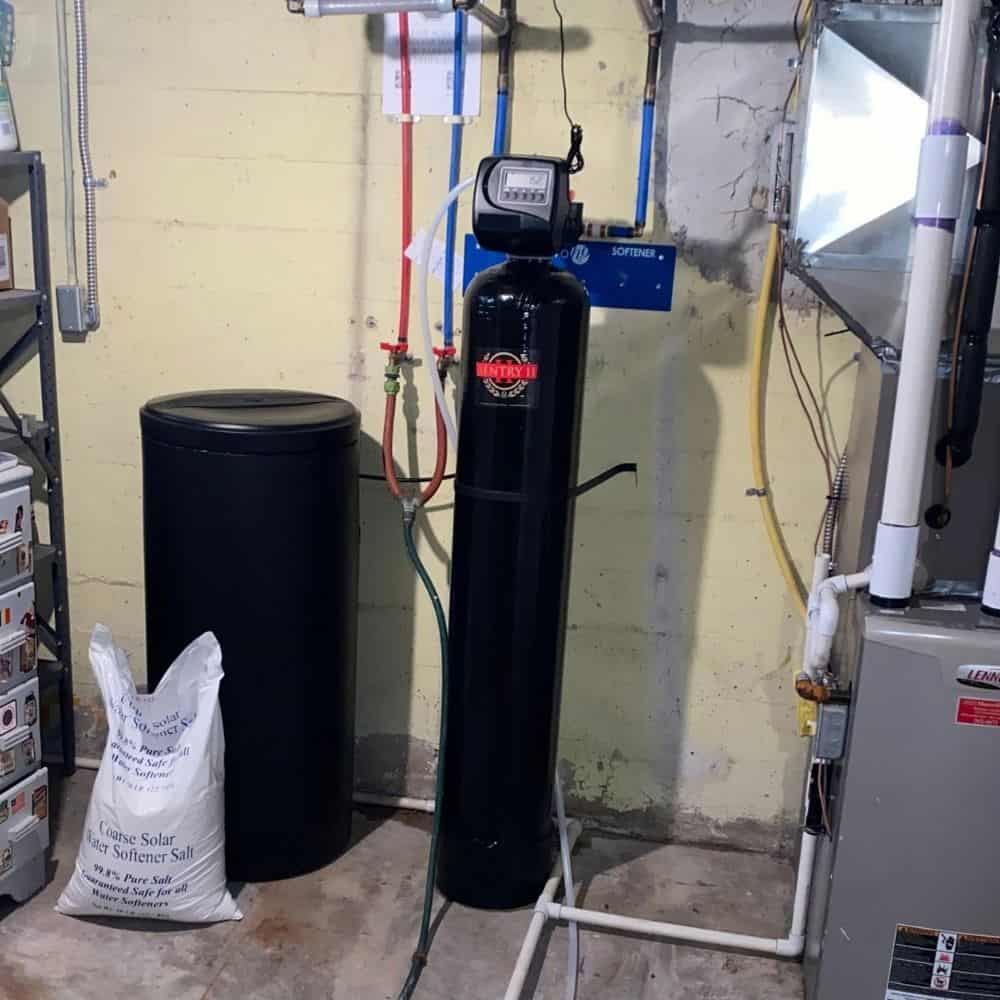
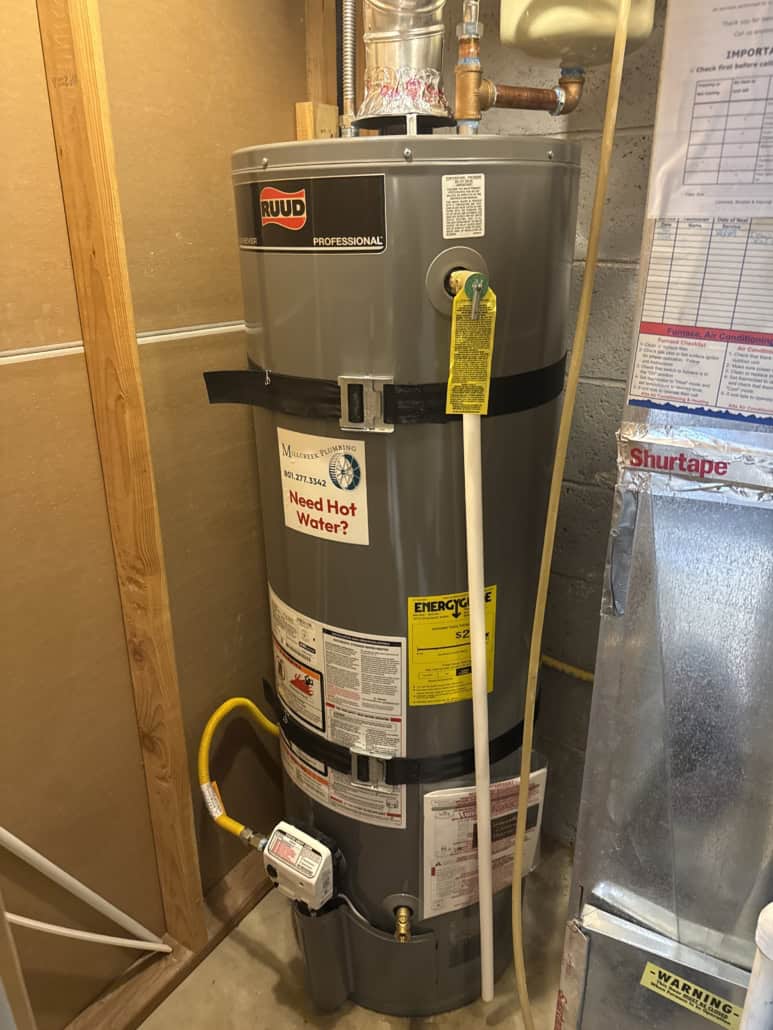
Holladay homes that use Salt Lake City water get mostly water sourced from the mountains, but in the summer time the city will supplement this with well water, and this runs harder with more dissolved mineral content. A water softener that was initially set and never adjusted may not be properly dialed in for both seasons, and that extra mineral load will show up as hard water scale in your appliances and water heater.
For sewer lines, Mt. Olympus Improvement District says the homeowner is responsible for the line between the house and the tap where it connects to the district’s main. We see a lot of roots, grease and old clay pipe joints causing backups in Holladay. And one thing that most homeowners aren’t aware of: if our camera inspection points to trouble right at the connection, the district will inspect that tap from inside its main upon request, because a standard pipe scope can’t turn to see it. For a sewer backup, the district has a 24/7 emergency phone number at (801) 262-2907 to check whether the problem is on its side.