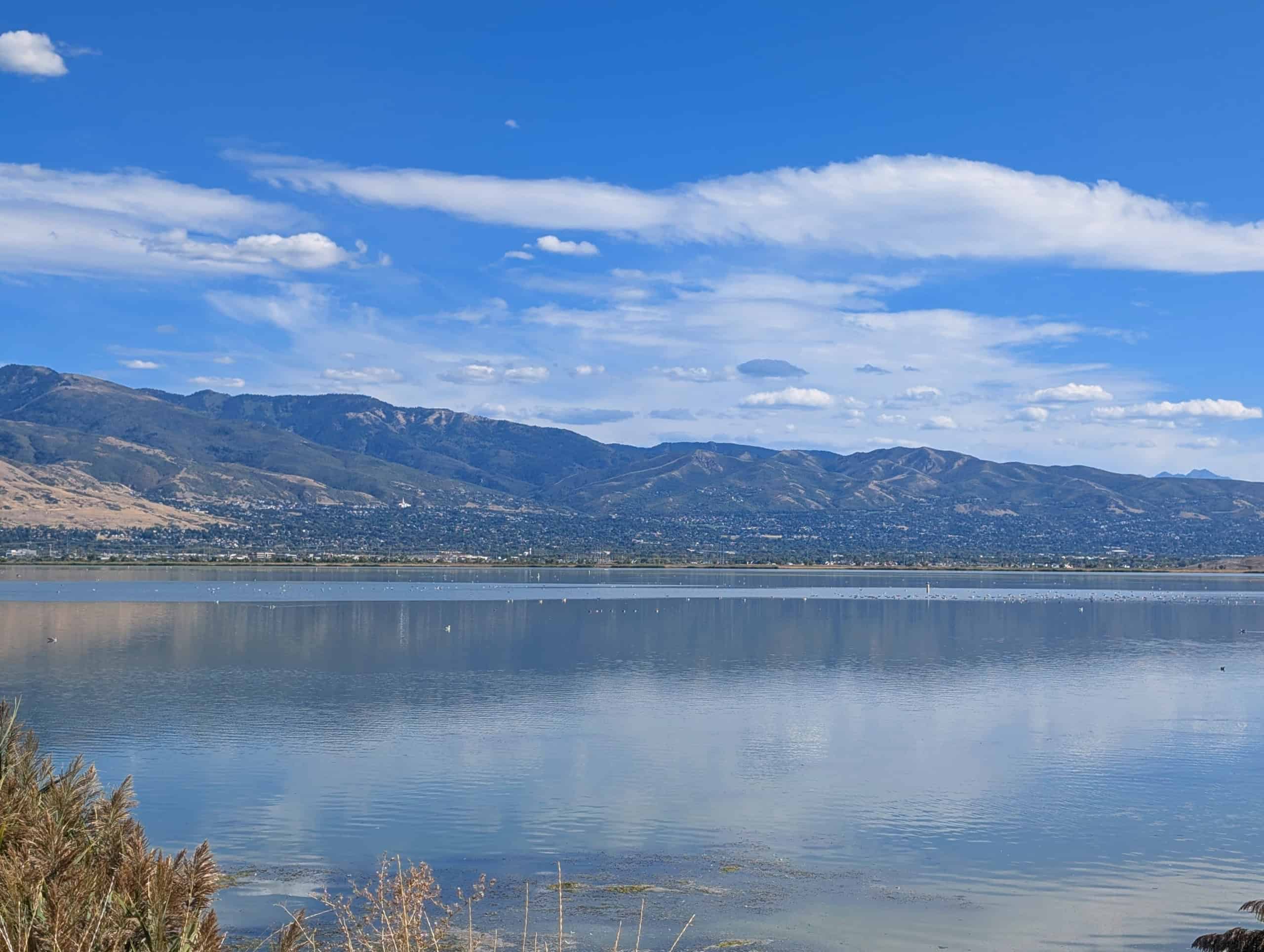
On Sept. 27, 1847, a man named Perrigrine Sessions drove his family and about 300 head of cattle north from Salt Lake, and dug in for winter near what is now 250 N. and 280 W. The camp was known as Sessions Settlement and North Canyon Ward until 1855, when it was then officially named Bountiful. It was Utah’s second settlement, and the Bountiful Tabernacle is still the oldest chapel in continuous use in the state.
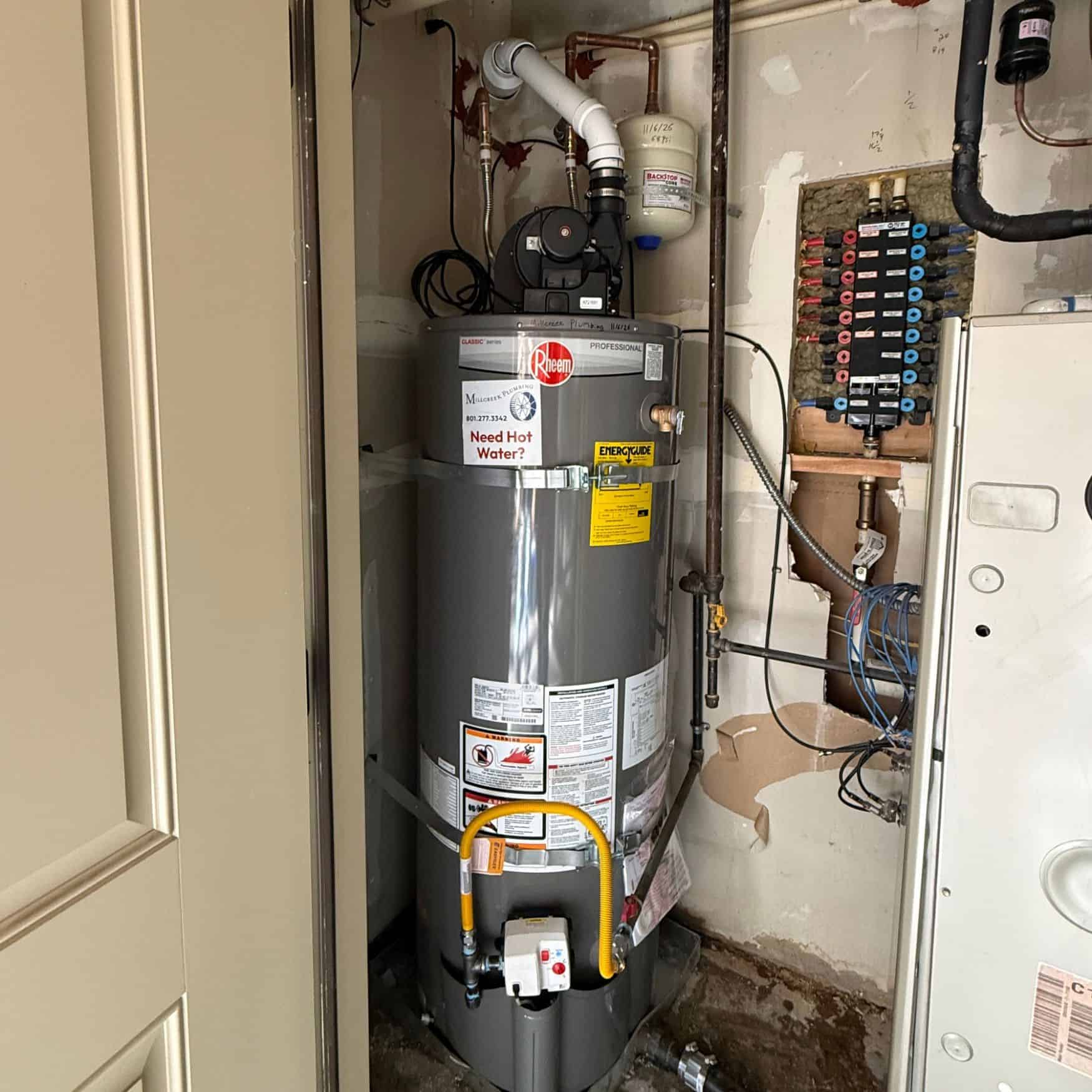
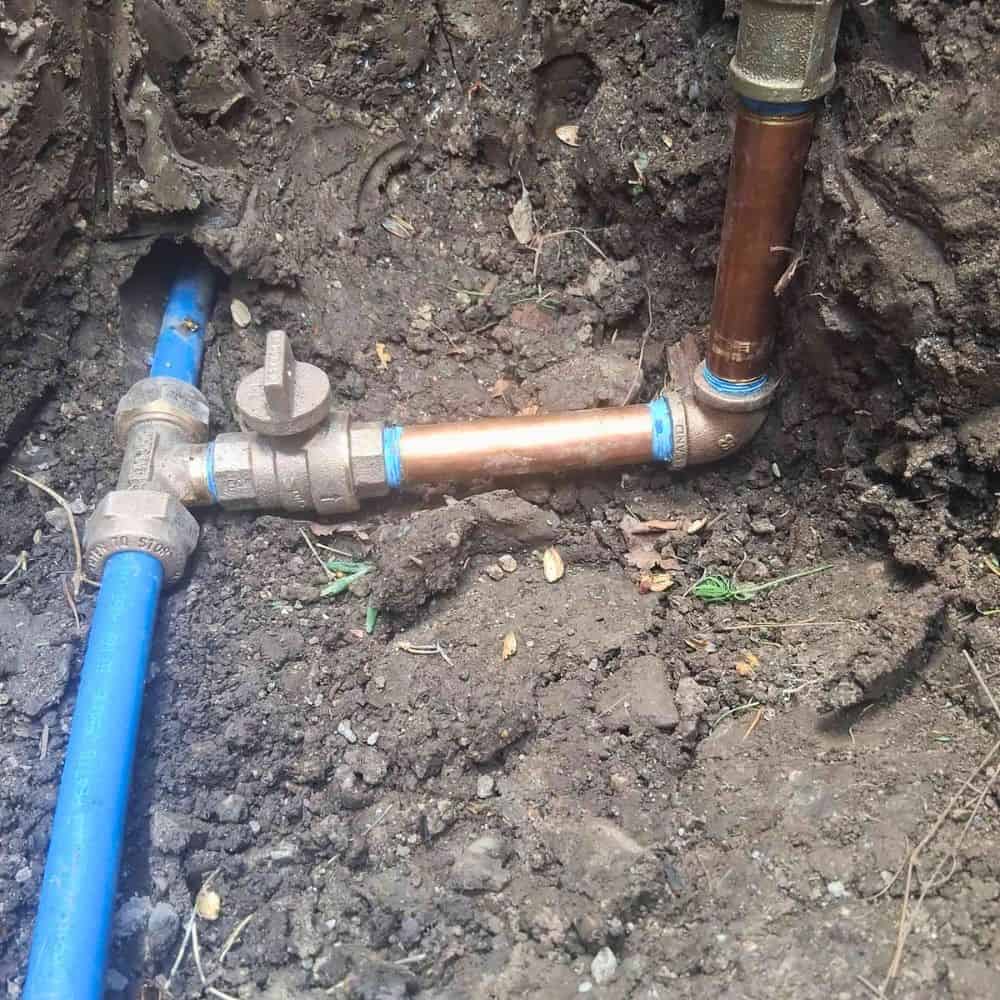
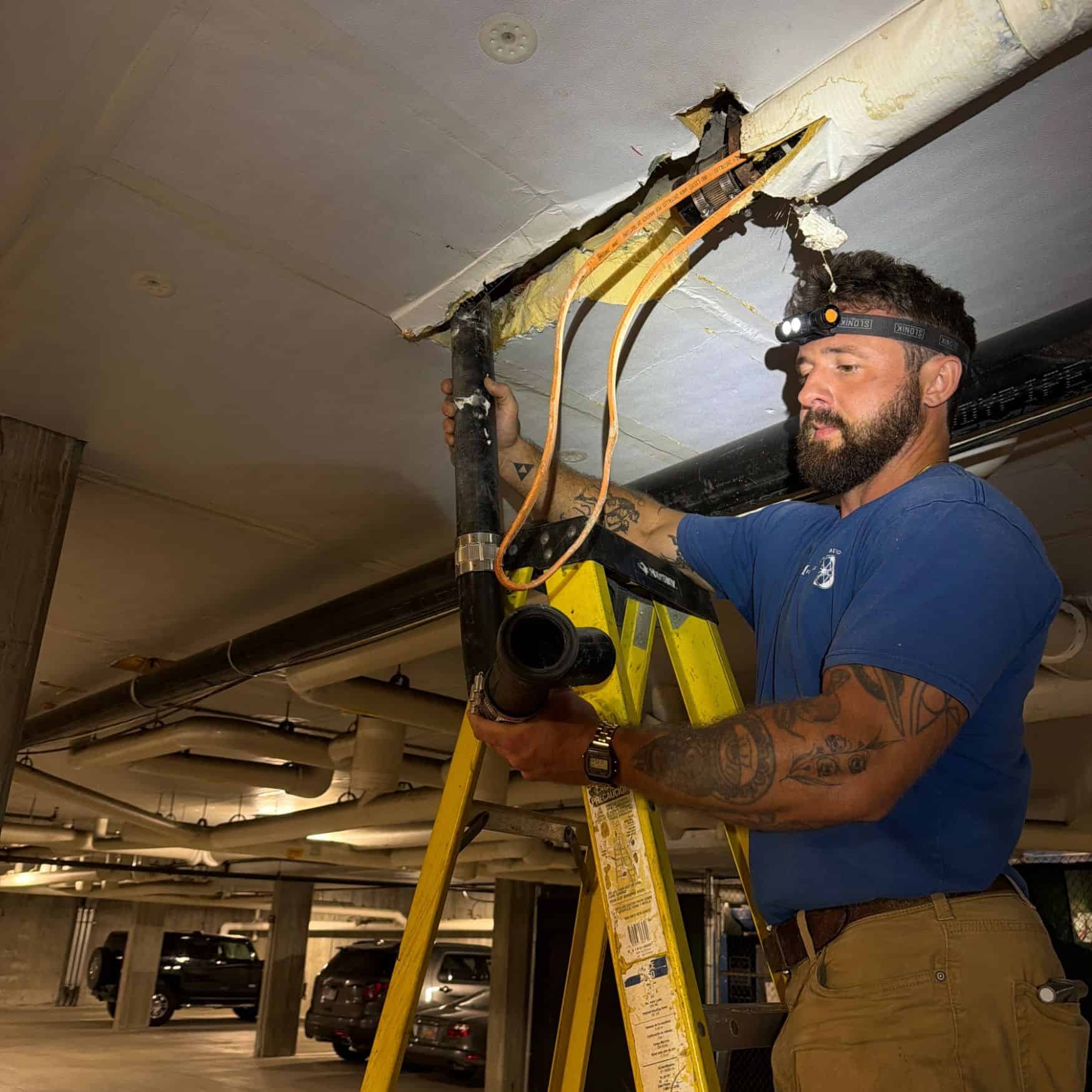
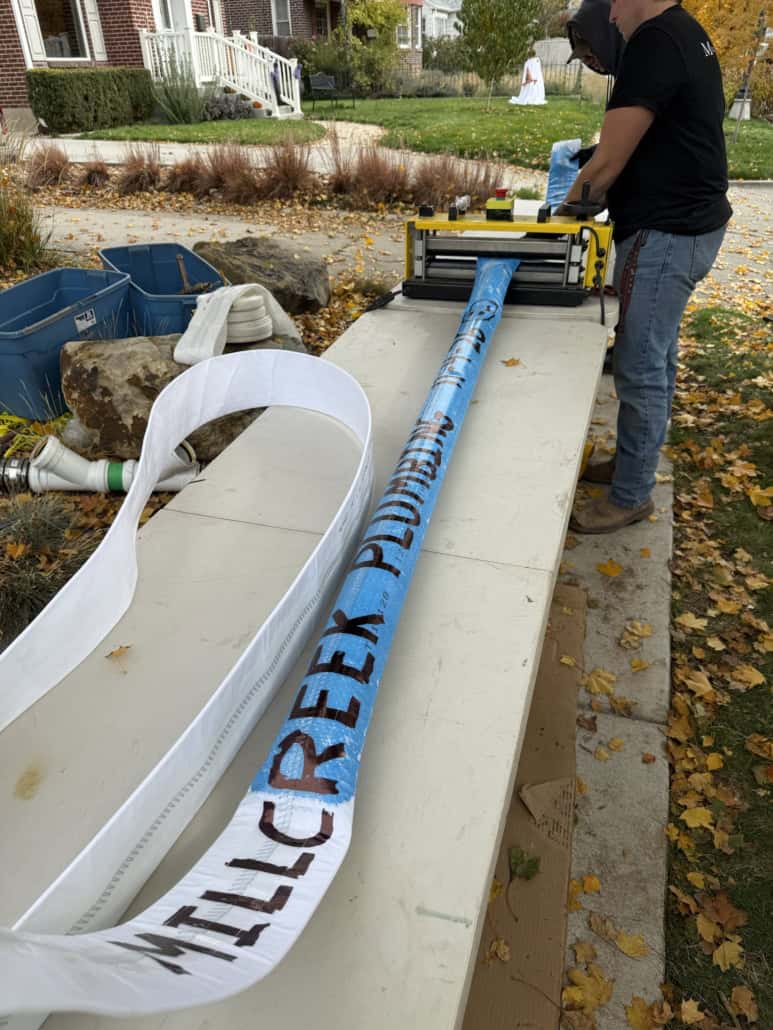
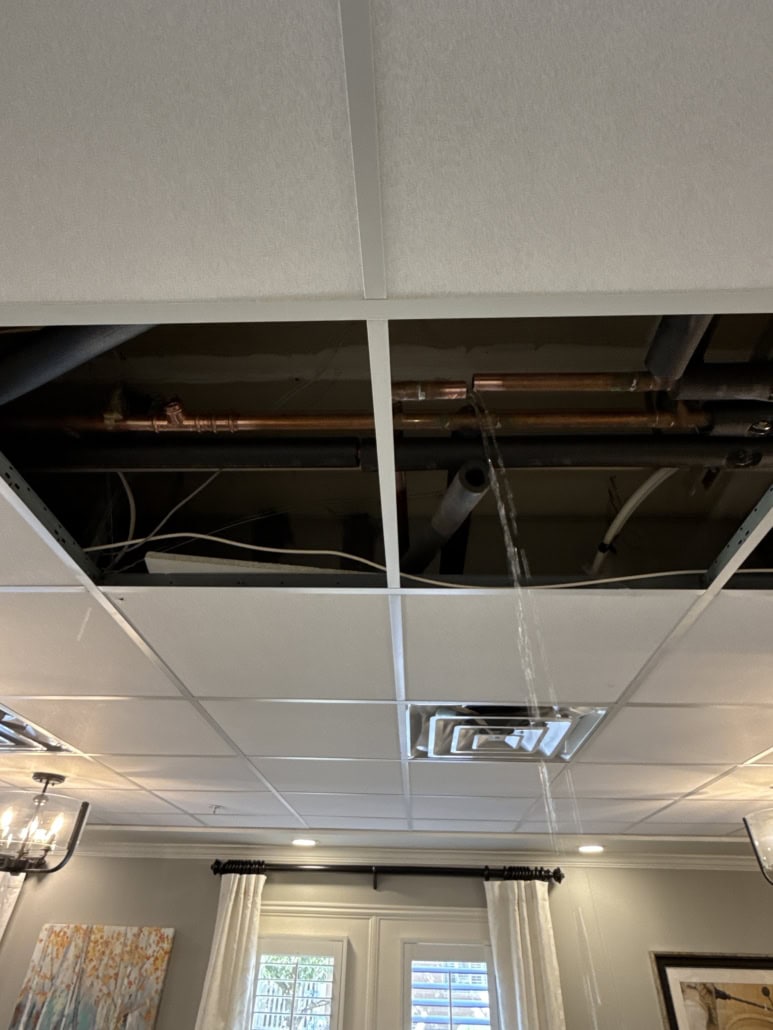
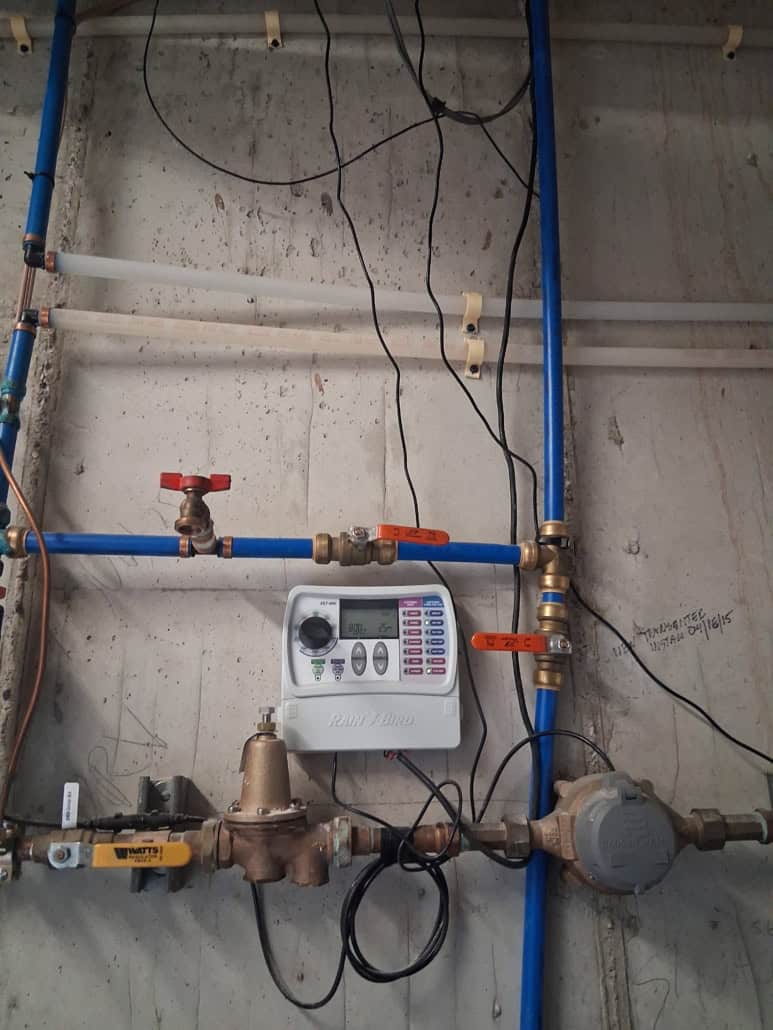
We’ve found that an area this old has plumbing from nearly every era. Plenty of homes in Bountiful were built from the 50s through the 80s, and may still have galvanized supply lines, cast iron drains and clay sewer laterals. And when we have to open up a wall, or run a camera down a drain, we plan for any of those scenarios.
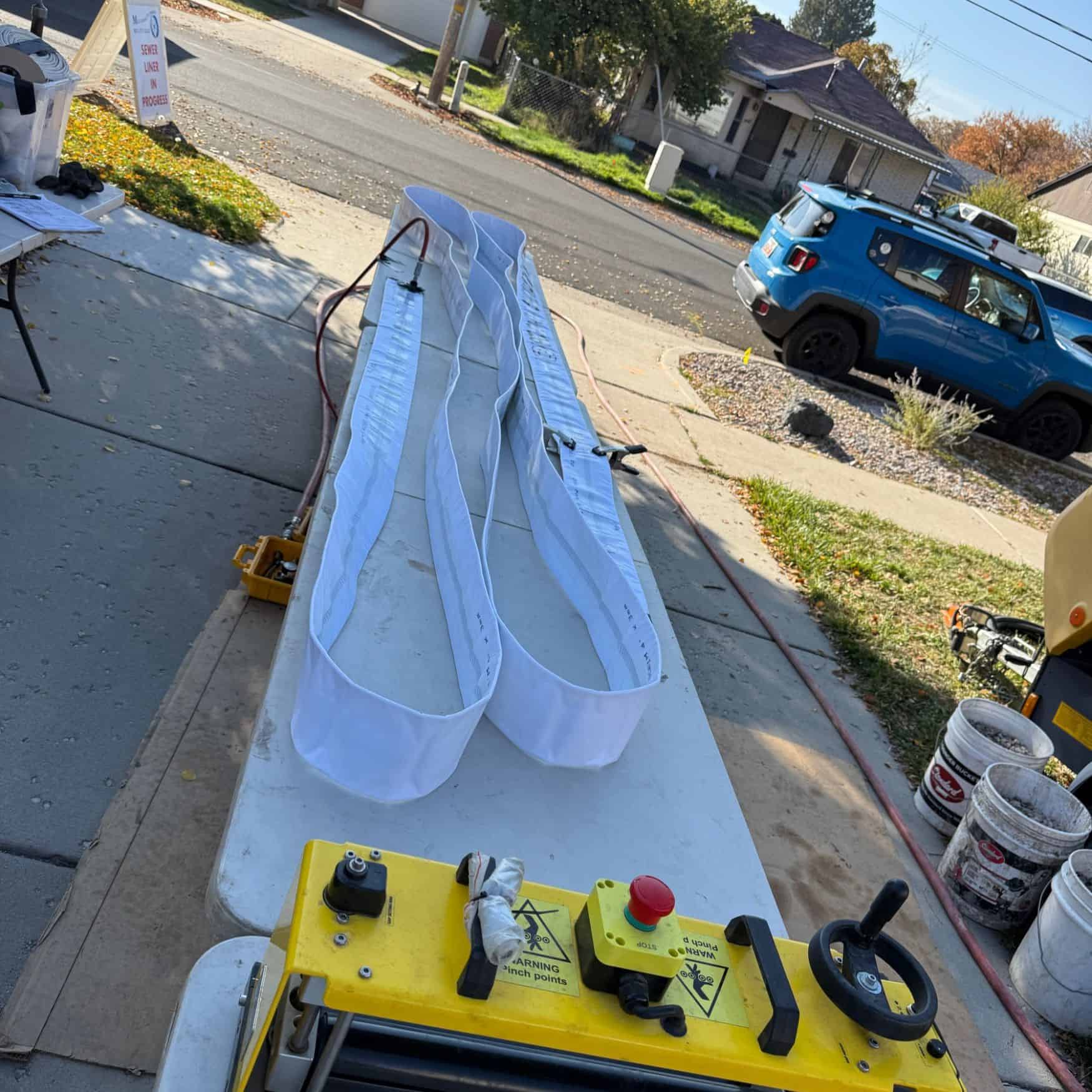
Sewer service comes from the South Davis Sewer District, which has handled wastewater for south Davis County since 1959. But one thing that might surprise you is that the sewer lateral is your responsibility, all the way from the house to the main under the street, including the part under the road. Owner-occupied single family homes on public streets might qualify for the district’s Lateral Lining Program. With your consent, the district can line the section under the street and line your side at the same time, and you pay only for the materials on your portion. Rentals, condos, apartments, private-road developments and commercial properties don’t qualify, so those owners cover the whole line.
Most Bountiful homes get their culinary water from Bountiful City, which says they serve nearly 11,000 connections according to their latest report. About 60 percent of the city’s water comes from wells drawing from as deep as 750 feet, 20 percent from Mill Creek and a treatment plant in Mueller Park, and 20 percent from the Weber River.
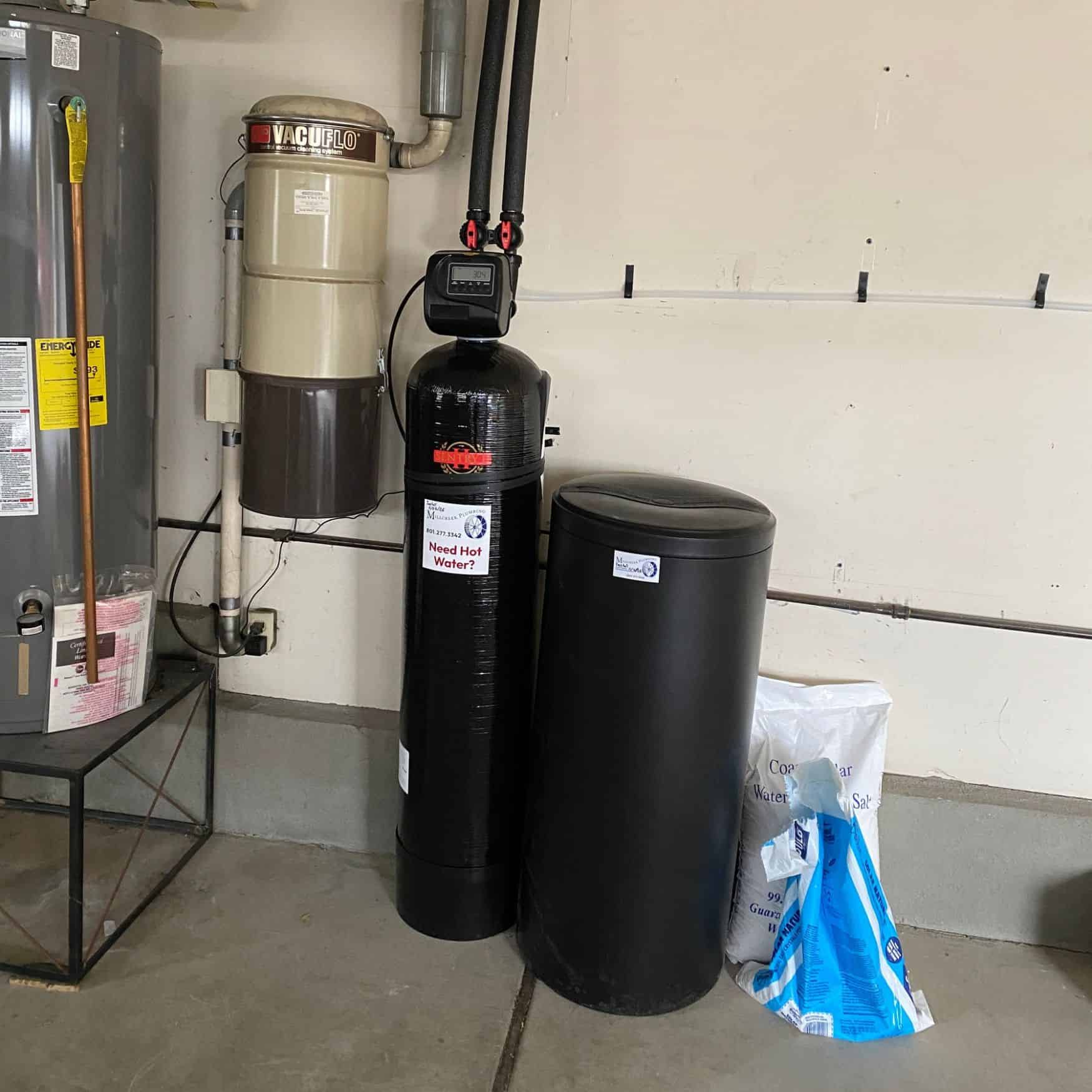
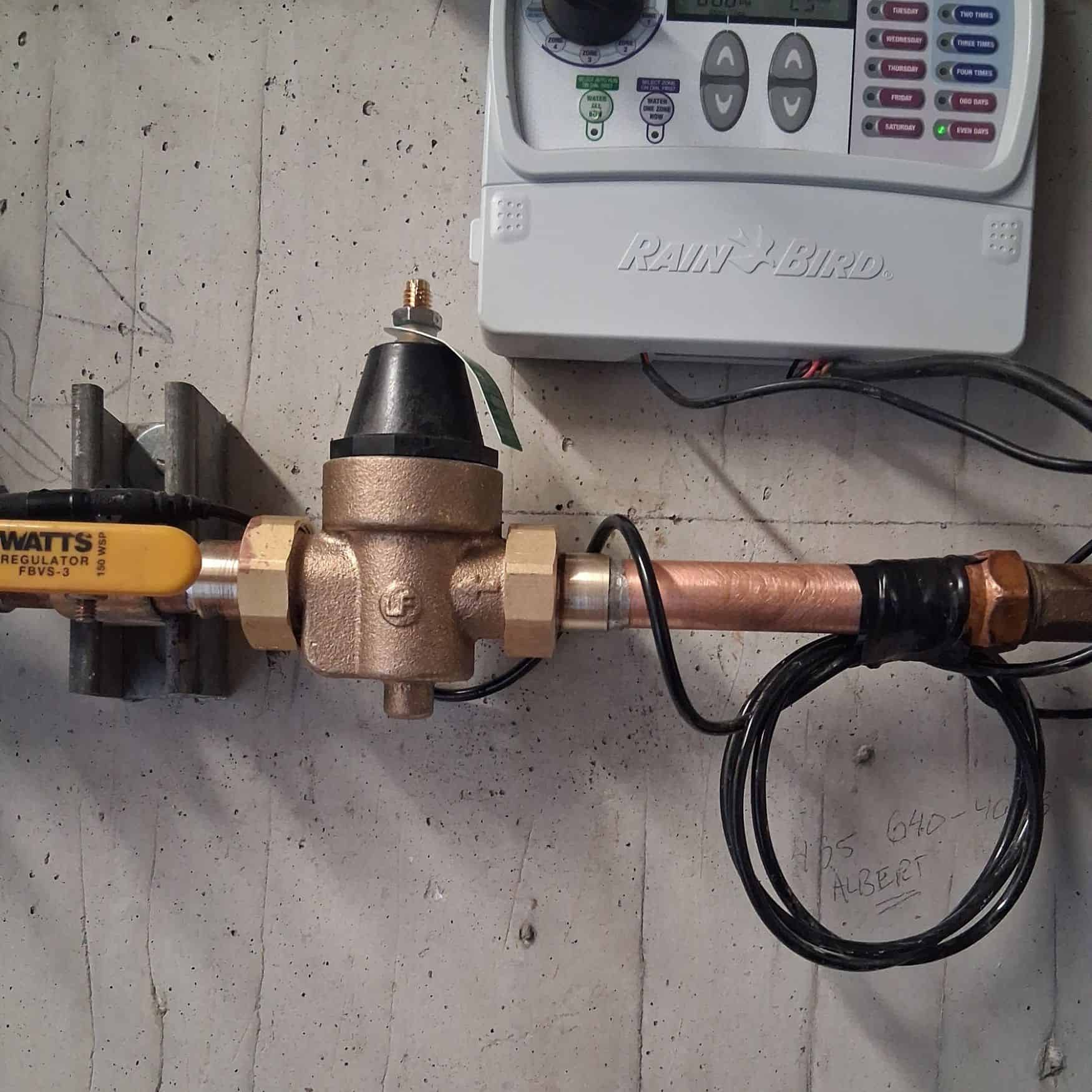
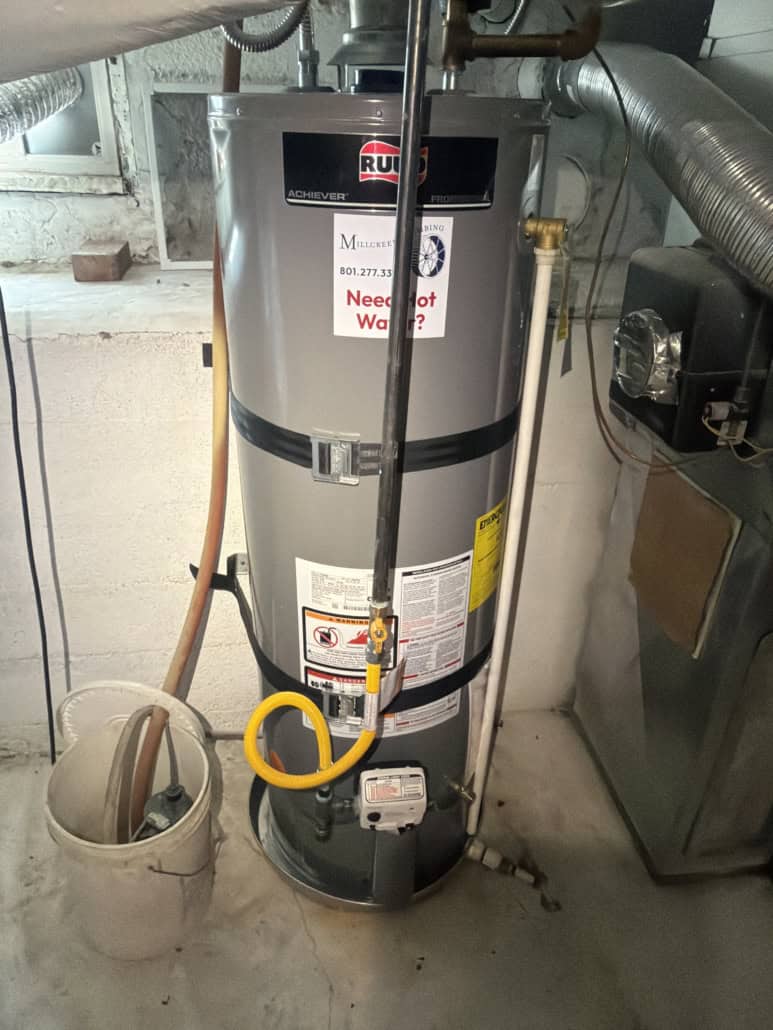
The 2025 water report from Bountiful City calls its water “relatively hard”, especially what comes from the wells. While the city points out a positive from hard water, which is the scale that forms instead of corroding the pipes, the downside is how scale builds up in fixtures and water heaters, which is why so many Bountiful homes have water softeners. Another local quirk- east of Bountiful Boulevard secondary irrigation water is largely unavailable, so many homes along the bench water their yards with culinary water.